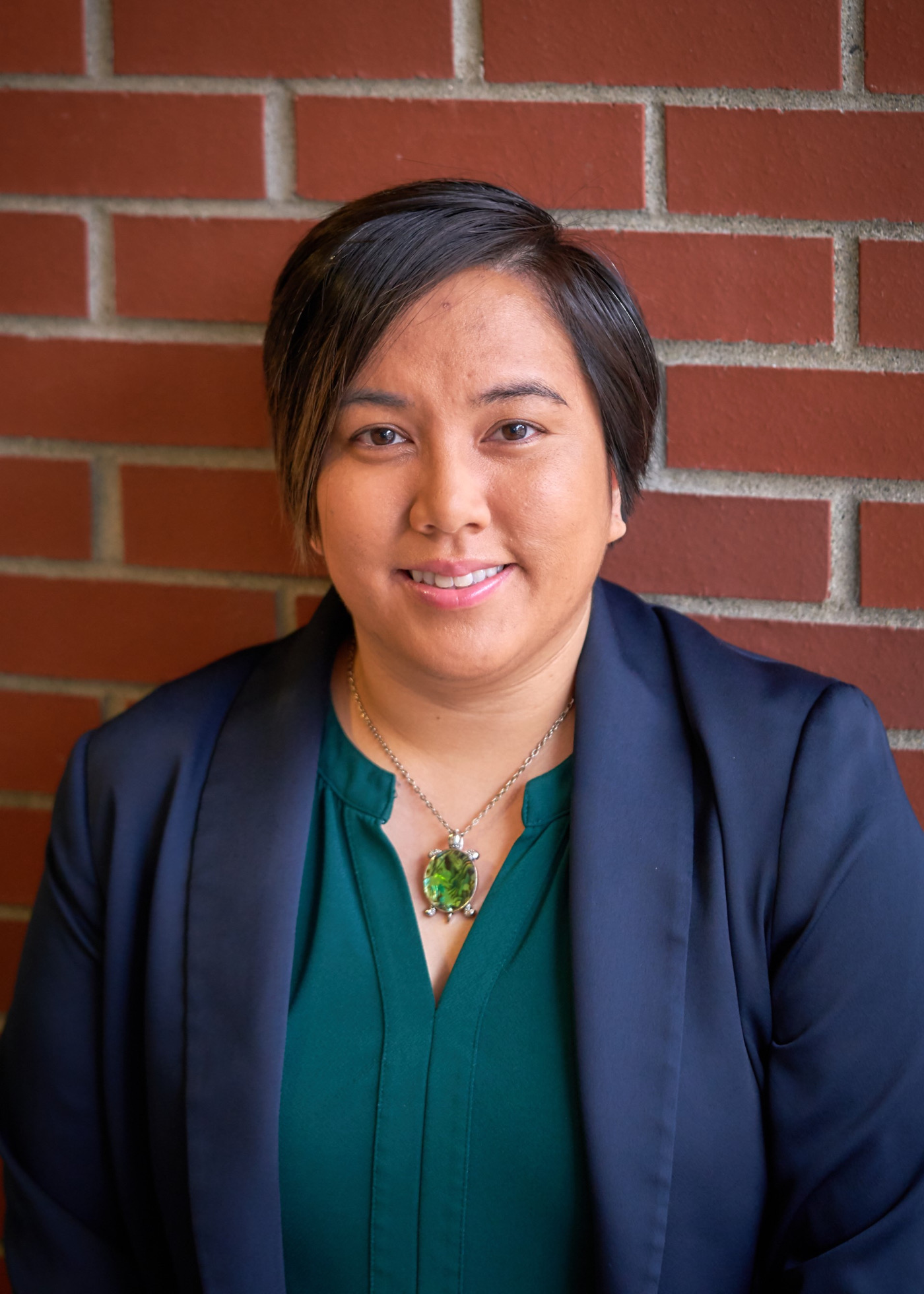
Email: [email protected]
Office: E&T A415
Dr. Pau Abustan, Ph.D. (they/siya) is an Assistant Professor of Cal State Los Angeles’ Women’s, Gender, and Sexuality Studies Department. Their research centers disability justice worldmaking in youth learning, animated storytelling, and coalitional activisms. They co-facilitated intersectional coalitional activisms in California (Tongva/Chumash lands) and co-founded youth support and two-spirit, transgender, and queer BIPOC-led organizations in Washington (Niimiipuu lands). Dr. Abustan is working on manuscripts and their first book centering youth culture centered disability justice worldmaking. They are alumni of UC Santa Barbara, CSU Northridge, and Washington State University who previously taught at Western Washington Univsity, Highline College, University of Washington, and Washington State University. They are part of the UC Davis Bulosan Center for Critical Filipinx Studies and Susan M. Daniels Disability Mentoring Hall of Fame with the National Disability Mentoring Coalition.
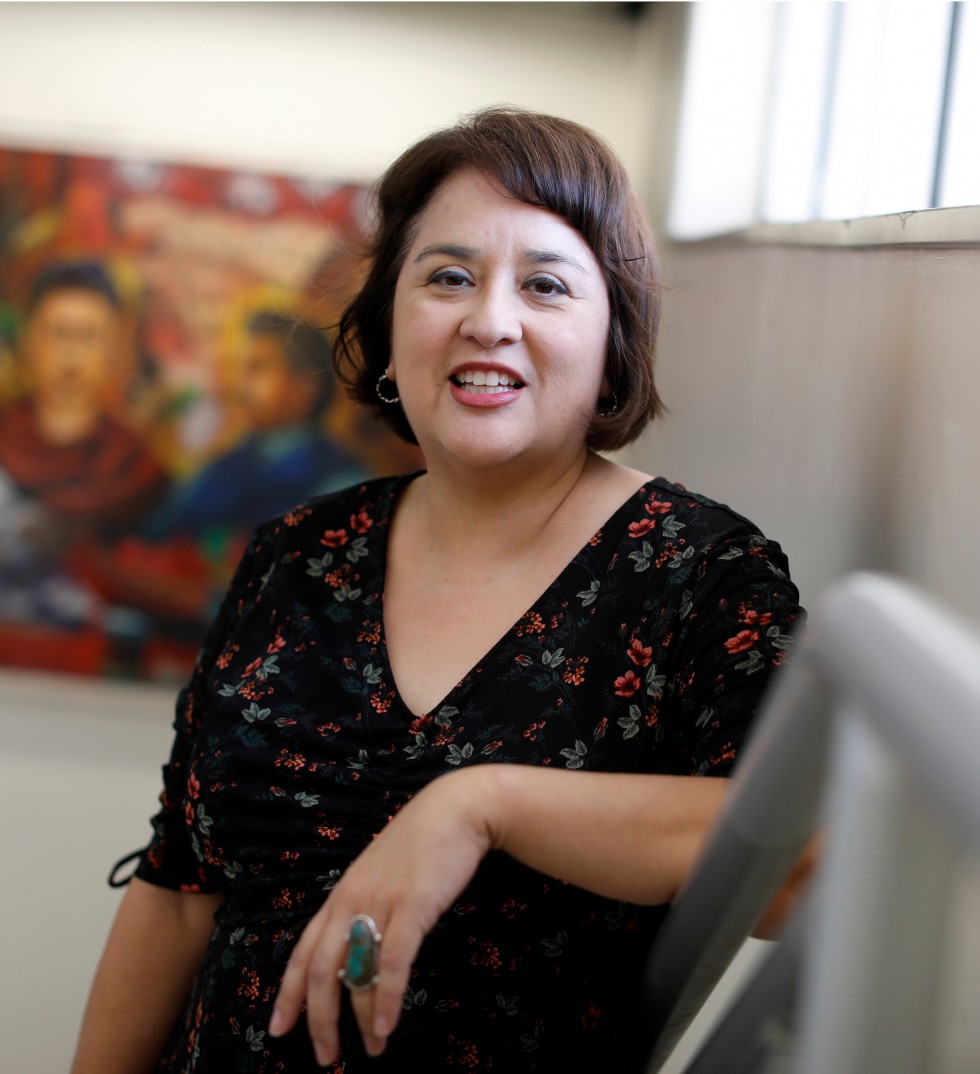
Email: [email protected]
Office: E&T A415
Dionne Espinoza, Ph.D. is Professor of Women's, Gender, and Sexuality Studies. Her research and teaching interests include Chicana/Latina and women of color feminist history and social movement activism; oral herstory and archival methods; and intersectional feminist theories and methodology. She is currently revising her book manuscript Bronze Womanhood: Chicana Activism and the Chicano Movement Narrative and has co-edited (with Maylei Blackwell and Maria Cotera) Chicana Movidas: New Narratives of Women’s Activism and Feminism in the Movimiento Era (2018). She also co-edited (with Lorena Oropeza) the award-winning Enriqueta Vasquez and the Chicano Movement: Writings from El Grito del Norte (Houston: Arte Publico Press.)
Dr. Espinoza was raised in the San Gabriel Valley cities of Alhambra and El Monte. She received her B.A. at UC Berkeley and her M.A./Ph.D .at Cornell University in English. In these programs her studies focused on comparative race/ethnicity studies, postcolonial theory, and women of color feminisms. She joined Cal State LA as a faculty member in Chicano Studies (2002-2007) and then held a joint appointment in Chicana (o) and Latina (o) Studies and Women's, Gender, and Sexuality Studies (2007-2017). She was the founding Director of the Program in Women’s, Gender, and Sexuality Studies (2014-2017) and past Director of the Center for the Study of Genders and Sexualities (2004-2008 and 2018-2019). As Director of CSGS she co-founded the Annual Student Research Conference, “Gender, Sexuality, and Power" in 2005.
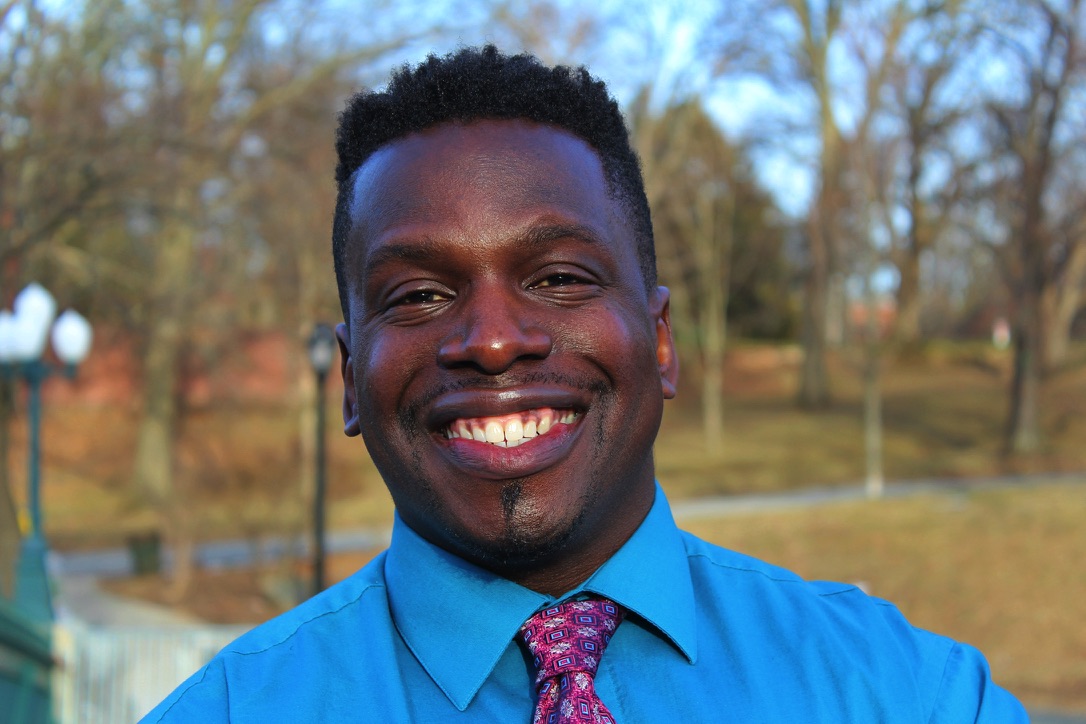
Email: [email protected]
E&T A421
Dr. David B. Green Jr., is a black queer male feminist, griot, and social justice educator. As a literary and cultural historian, his research works to recover and tell the rich and complex stories of black queer people in the United States. He is currently at work on his first book, Imagining Black Queer Freedom — a narrative cultural history that tells stories of how black queer cultural workers utilize literature, music, and performance art as political weapons to simultaneously fight against systemic oppression, anti-black racism, and violence against queer people and to forage communities critical to their survival and thriving across the twentieth and twenty-first centuries in the U.S.
In the classroom, he draws upon his own lived experiences as a first-generation college student and fuses them with integrative and culturally relevant pedagogies. The goal of such fusion is to create multi-sensual learning experiences that prioritizes compassion, peace of mind, critical social and political awareness, empowerment, and joy as an everyday life practice.
He earned his Ph.D. in American Culture from the University of Michigan-Ann Arbor in 2015. His research interests includes and attends to the interdisciplinary knowledge formations of African American Studies, Women of Color Feminisms, LGBTQ Studies and Queer of Color Critique, and Diversity, Equity and Inclusion in Higher Education.
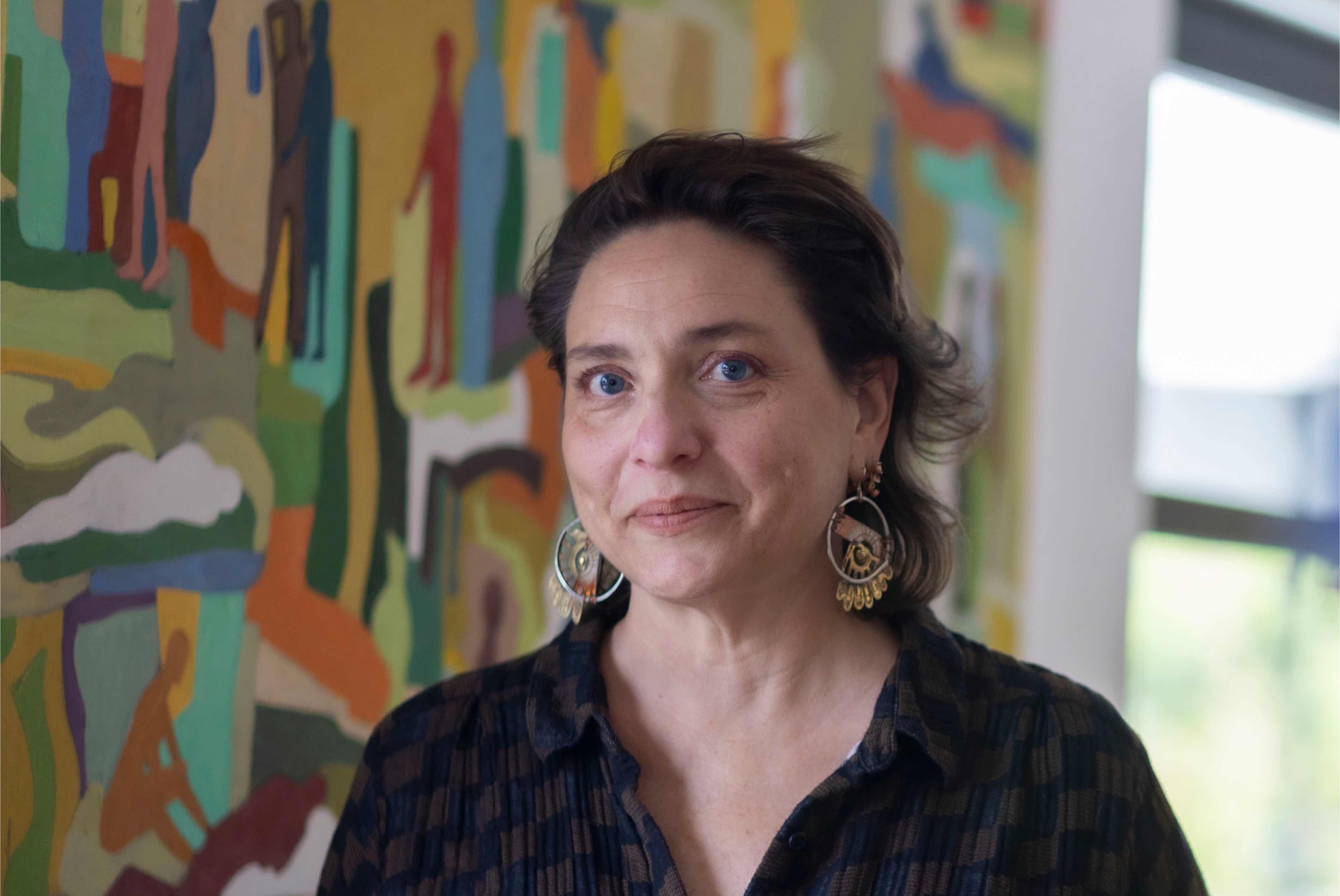
Email: [email protected]
Office: E&T A413
Alejandra Marchevsky is a Latina immigrant scholar-activist whose work critically interrogates gendered racism and state violence, focusing in particular on Latinx migrants in the United States. Her interdisciplinary research explores topics of Latina immigrant motherhood and poverty, the racial and gendered dynamics of U.S. immigration policies, and women of color activism around welfare rights, reproductive justice, and immigrant justice.
Dr. Marchevsky is co-author of Not Working: Latina Immigrants, Low-Wage Jobs, and the Failure of Welfare Reform (2006), and a contributor to Chicana Movidas: New Narratives of Women’s Activism and Feminism in the Movimiento Era (2018) and Until We're Seen: Public College Students Expose the Hidden Inequalities of the COVID-19 Pandemic (2024). Her research has been published in Latino Studies, American Studies, Sociology and Social Work, and Political Science and Politics. She has also written forThe Nation, Boston Review, The Los Angeles Times, and The Root.
Dr. Marchevsky has served on the board of directors of several Los Angeles or California-based social justice organizations, including the Coalition for Humane Immigrant Rights (CHIRLA), Californians for Justice (CFJ), and Dolores Huerta Labor Studies Center at the Los Angeles Community College District. At Cal State LA, she has served on the faculty advisory boards for the Center for the Study of Genders and Sexualities, the American Communities Program, and the Program in Latin American Studies, and the faculty and staff advisory group for the Dreamer Resource Center. She helped to co-create the Minor in Labor Studies and the CSULA Migrant Justice Collective, and has also collaborated with students on various Community Participatory Action Research projects in partnership with community and labor organizations like the TransLatina Coalition, L.A. Alliance for a New Economy (LAANE), and the Pilipino Workers Center.
She has a B.A. in English from UC Berkeley and a Ph.D. in American Culture from the University of Michigan, where she concentrated in Latina/o Studies, Comparative Ethnic Studies, and Feminist Ethnography.
Sarra Ben Ghorbal is a Lecturer in the Department of Women’s, Gender, and Sexuality Studies at Cal State LA, where she began her academic journey and earned a B.A. in Sociology, with a minor in WGSS, and an M.A. in Sociology. Her teaching and research interests include intersectionality, reproductive justice, feminist theory, gender and Islam, migration, social reproduction, care work, and abolitionist feminism.
An immigrant from Tunisia, Professor BenGhorbal's personal and academic experiences inform her commitment to feminist education, social justice, and student empowerment. Her experiences as an immigrant, scholar, activist, and educator continue to inform her teaching and her dedication to creating classrooms grounded in critical inquiry, collective learning, and student empowerment.
She is a co-author of “Doulas as Time Brokers: Biomedical and Reproductive Time in Birth Narratives,” published in Sociological Perspectives. Her ongoing research examines social reproduction, birthing practices and experiences, reproductive justice, and the ways the medical-industrial complex shapes and regulates reproductive care.
Professor Ben Ghorbal also teaches at Pasadena City College and Cerritos College. She is committed to supporting students, advocating for lecturers, and contributing to feminist and community-based education throughout the greater Los Angeles area.
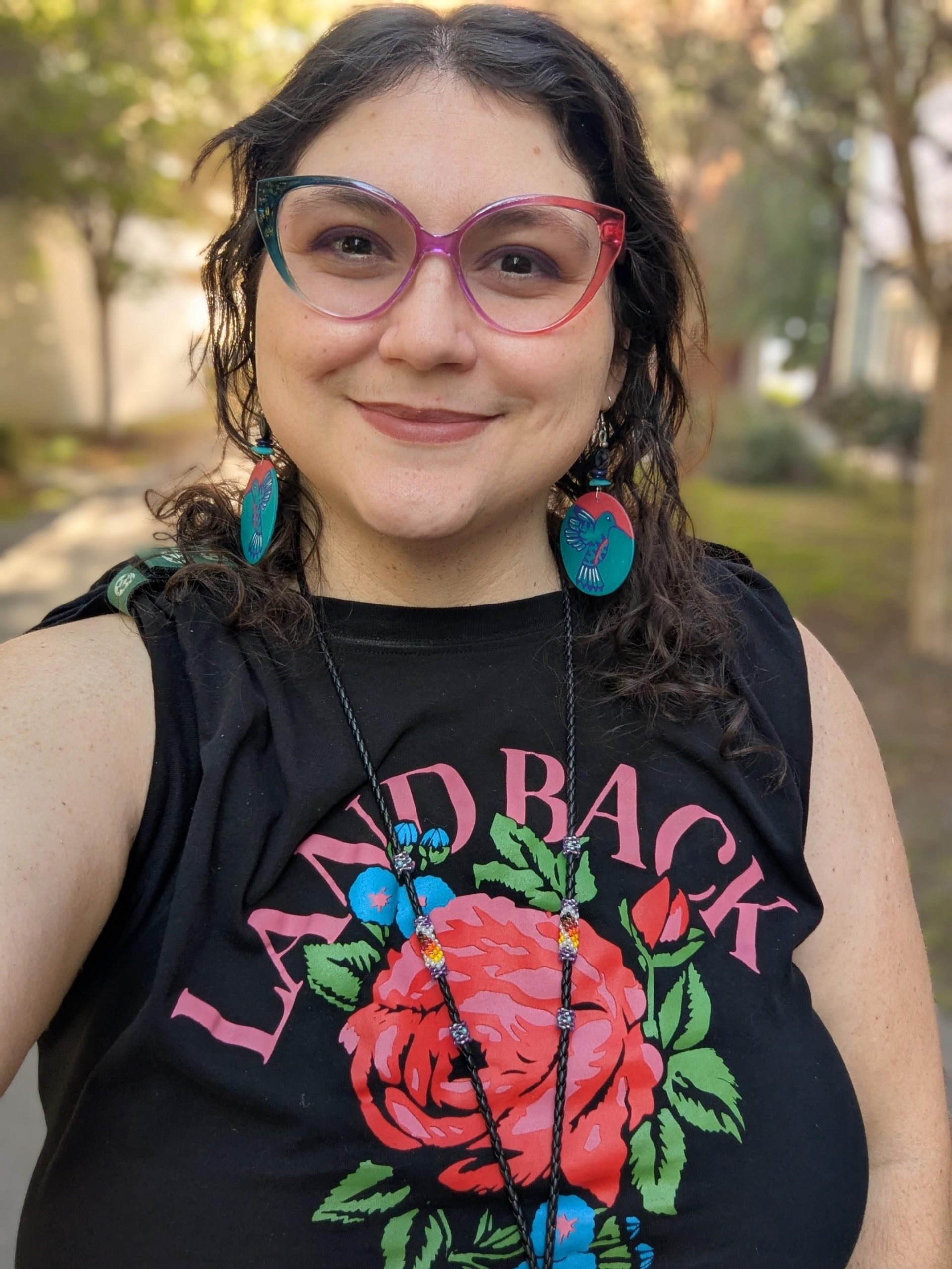

Email: [email protected]
Renee Lemus Elisaldez has a PhD in Ethnic Studies and works as a college professor at Cal State Los Angeles and in the Los Angeles Community College District. She is also a certified yoga instructor specializing in prenatal yoga, and yoga for bodies of all shapes and sizes. Both her academic work as well as her yoga practice is grounded in a feminist perspective that considers how women navigate a patriarchal society that devalues and disempowers them. She is an advocate for reproductive justice which calls for an intersectional approach to reproductive rights that particularly centers the experience of women of color and other marginalized identities. To that end, Renee seeks to share the knowledge she has gained in her own reproductive journey as well as her academic education in order to empower women to make fully informed decisions in regards to their bodies and their reproductive choices.
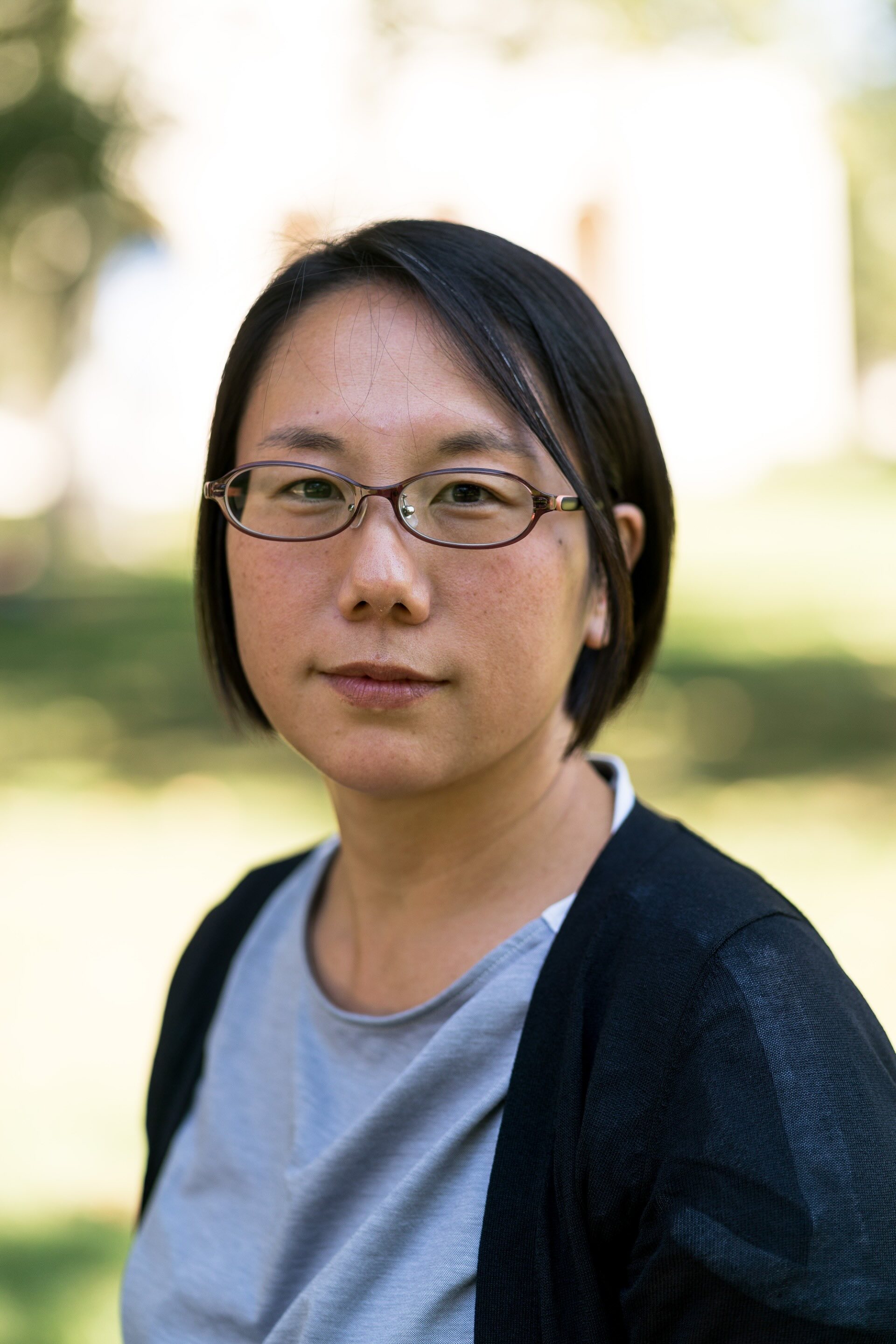
Email: [email protected]
Aya Nakagoshi is a Lecturer in the WGSS department and teaches LBS/WGSS 3860, Gender in Science. Her teaching focuses on the historical formation of the concepts of "gender" and "race," particularly in early modern science and Enlightenment thought.
Email: [email protected]
Mel Saywell (they/she) teaches queer and intersectional feminist studies. They're a contributor to Los Angeles Review of Books, a reviewer for the Journal of Lesbian Studies, the developer and archivist for the LGBTQ+ History Digital Patchwork Project, a panelist for a traveling queer history roundtable focused on intergenerational dialogue, and serve as Board Secretary for the School of Sexuality non-profit. Mel was recently named co-organizer for the Long Beach Dyke March, and also heads the committee tasked with launching the city's first Dyke Day event.
As a community organizer, Mel regularly hosts social, cultural, and political events through Lesbians of Los Angeles and Orange Counties. On campus, they frequently organize programming for Women's History Month and LGBTQ History Month, bringing in activists, historians, filmmakers, and more. A recent highlight was a performance of legendary Chicana punk group Alice Bag Band, followed by a discussion on queer feminist punk with Alice and drummer Candace Hansen.
Their current research includes an oral history project documenting the political histories of lesbian motorcycle clubs, including the Motorcycle Contingent for Equality and Dykes on Bikes.
Mel majored in English and minored in LGBT Studies at Towson University, and completed their MA and coursework for their PhD (ABD) at the University of California, Riverside.
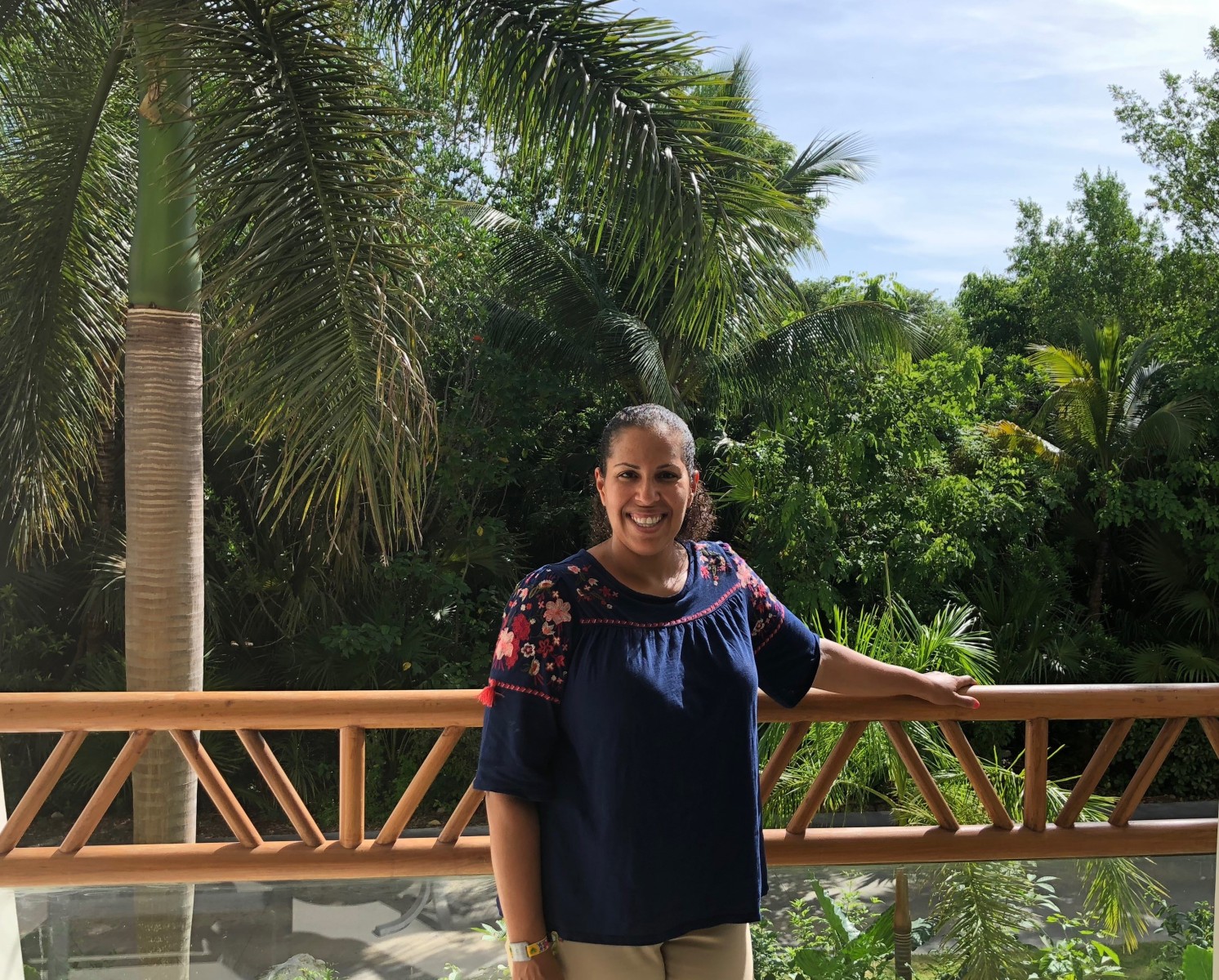
Email: [email protected]
Lizette Rivera grew up in Huntington Park and then moved to Pico Rivera, where she graduated from Bell High School. Lizette started Cal State L.A. in 1994 as a student pursuing a degree in Psychology, but eventually changed her major several times until she finally found her niche in forensic anthropology. She received a Bachelor of Arts degree in Anthropology and started working as a full-time staff member at Cal State L.A in 2000. Lizette has worked in various departments within the College of Arts and Letters, including the Dean’s Office, until finding her home in the Department of Liberal Studies and Women’s, Genders & Sexuality Studies in 2011. She is a mother to one beautiful, kind, and inspirational daughter. Traveling is something she enjoys immensely, especially cruising.