Want to Help People with Disabilities Live, Work, and Thrive?
The Master of Science in Counseling, Option in Rehabilitation Counseling program at California State University, Los Angeles (Cal State LA) prepares aspiring rehabilitation counselors for careers that assist people with disabilities to live fulfilling lives. The curriculum uses a holistic approach to address the medical, psychological, and social aspects of disability.
The mission of the Master of Science in Counseling, Option in Rehabilitation Counseling Program at Cal State LA is to prepare competent, ethical, and culturally responsive rehabilitation counselors who provide counseling services that promote the psychosocial adjustment, recovery, independence, employment, and full community participation of people with disabilities. Drawing students from the diverse communities of Los Angeles, the Program develops graduates who integrate knowledge of the medical, psychosocial, and vocational aspects of disability with skills in assessment, diagnosis, treatment planning, and evidence-based counseling interventions, grounded in a strong professional identity as rehabilitation counselors. Graduates are prepared to practice across the full scope of rehabilitation counseling in public, private, and community settings, to collaborate within systems of care, and to advocate for access and equity for people with disabilities and their families.
The curriculum is designed to prepare graduates to pursue licensure as Licensed Professional Clinical Counselors (LPCCs) in California and certification as Certified Rehabilitation Counselors (CRCs).
Information Sessions
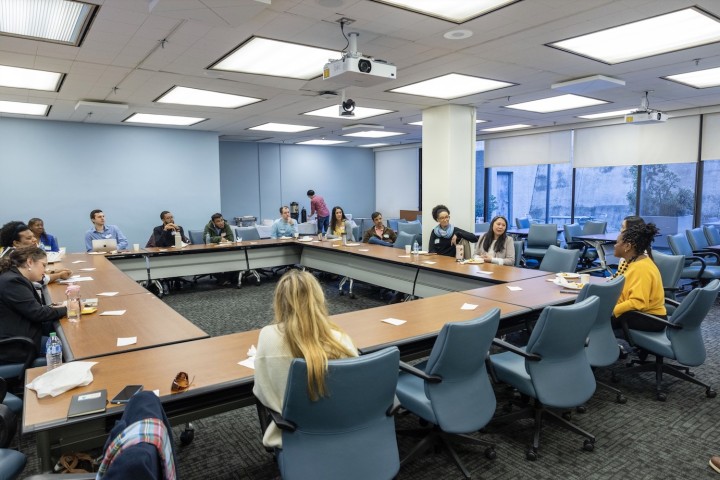
Rehabilitation Counseling Program Information Session-04
Wednesday, October 21, 2026 from 10:00 to 11:30 a.m.
Zoom Link: https://calstatela.zoom.us/j/87131688047 Meeting ID: 871 3168 8047
To View the past informational session, click here:
View Session
Passcode for session: n!qM7Bvi
What is Rehabilitation Counseling?
Rehabilitation counselors are professional counselors who specialize in working with people with disabilities. Through counseling, assessment, and advocacy, they help individuals adjust to disability, pursue meaningful work, and participate fully in their communities.
The Commission on Rehabilitation Counselor Certification (CRCC) defines rehabilitation counseling as "a systematic process that assists persons with physical, mental, developmental, cognitive, and emotional disabilities to achieve their personal, career, and independent living goals in the most integrated setting possible through the application of the counseling process."
To learn more about the knowledge and skills that define the profession, see the CRCC Rehabilitation Counselor Scope of Practice (https://crccertification.com/scope).
Where Rehabilitation Counselors Work:
- State vocational rehabilitation agencies
- Hospitals and medical rehabilitation centers
- Community mental health agencies
- College and university disability services
- Veterans services
- Program evaluation and research
- Private rehabilitation practice
Applications for Fall 2027 Open October 1, 2026
Our program admits approximately 25 students each fall for full-time graduate study and is accredited by the Council for Accreditation of Counseling and Related Educational Programs (CACREP). Admitted students may also pursue either or both of two optional certificates: the Certificate in Clinical Counseling, which provides a pathway to meet California's educational requirements for licensure as a Licensed Professional Clinical Counselor (LPCC), and the Certificate in Higher Education and Career Counseling.
The 70-semester-unit program takes three years to complete, achieved a 100% graduation rate for its most recent cohort, and prepares graduates for the full scope of rehabilitation counseling practice. Many of our students receive job offers before completing the program, and graduates go on to work in a wide range of rehabilitation settings with competitive wages and opportunities for advancement.
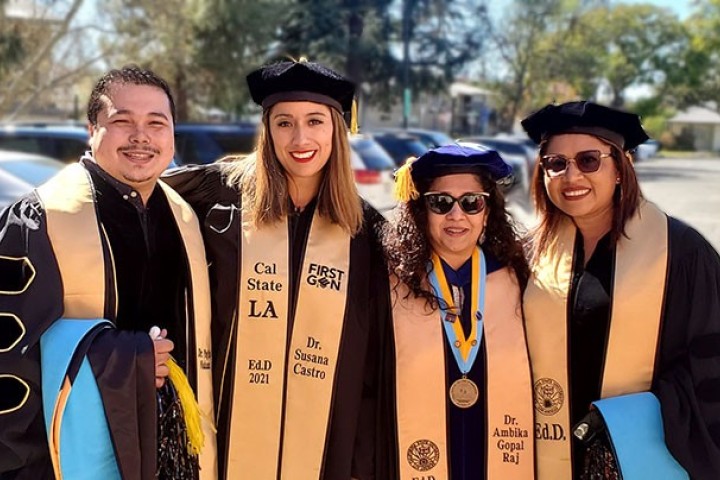
Join a Program That Delivers Results
Don’t wait—start your application today and be part of a program that transforms lives!
How We Support Your Success
Program faculty systematically evaluate and improve the program based on student and community stakeholder feedback on the following program objectives:
- Distribute program brochures via e-mail
- Enhance our web presence
- Present on the program to relevant organizations, agencies, classes at Cal State L.A., and other colleges and universities
- Networking with employers at practicum and internship sites
- Encourage participation in the student Rehabilitation Counseling Association and other rehabilitation-related state and national organizations to further develop their professional identity
- Provide accurate, timely, and effective advisement throughout the academic year
- Help students remedy academic difficulties
- Students will be oriented to the roles and functions of specialty areas in counseling and related ethical, legal, and professional issues (COUN 5001, 2.F.1)
- Students will recognize the richness and uniqueness of socially and culturally diverse populations, providing equitable services to all individuals (COUN 5103, 2.F.2)
- Students will be able to recognize consumers’ strengths and capabilities throughout their lifespan (COUN 5000, 2.F.3)
- Students will establish their knowledge and expertise in career development, the world of work, and the vocational implications of disability, including the knowledge to assist with issues of accommodation and accessibility (COUN 5140, 5149, 2.F.4)
- Students will develop effective individual counseling strategies (COUN 5005, 5114, 2.F.5)
- Students will develop effective group counseling strategies (COUN 5160, 2.F.6)
- Students will be able to select, administer, score, and interpret common assessments in counseling (COUN 5002, 2.F.7)
- Students will be able to appropriately evaluate the effectiveness of interventions and programs (COUN 5003, 2.F.8)
- Students will obtain practical experiences in working with people with disabilities in community, public, private sector agencies, and colleges and universities within an urban environment (COUN 5187, 5188, Section 3)
- Students will promote the dignity and worth of all individuals, and advocate for people with disabilities so that they receive maximum benefit and equitable treatment in society (COUN 5103, 5140, 5149, 5.H)
- Students will identify the medical and psychosocial aspects of a wide range of disabilities (COUN 5111, 5142, 5143, 5.H.2.b, c, d, e)
- Students will be able to conceptualize an individual’s functioning, disability, and health and develop a related program of treatment (COUN 5111, 5142, 5143, 5.H.2.b, c, d, e)
- Share with students and graduates job postings on our website
- Follow-up on and document alumni employment
- Follow-up on CRCC exam results
- For students pursuing counselor licensure, follow-up on post-master's supervised hours, State Ethics and Law exam, and performance on the NCMHCE.
- After two-years of employment, create supervised practice opportunities for future students
Rehabilitation counseling is a growing field with strong career prospects across diverse settings. According to the Bureau of Labor Statistics, employment for rehabilitation counselors is projected to grow by 10% from 2018 to 2028—faster than the average for all occupations—resulting in more than 11,800 new jobs.
Graduates commonly work in community and vocational rehabilitation services (30%), individual and family service organizations (18%), and state government agencies (13%). Other opportunities include nursing and residential care facilities, as well as private practice. With a wide range of career paths and consistent demand, rehabilitation counseling offers both job stability and meaningful, purpose-driven work.
As graduates from the Master of Science degree in Counseling, Option in Rehabilitation Counseling, one may find work in a variety of settings:
Read More
- Assisted and Independent Living Facility
- Community College or University
- Community Rehabilitation Center
- Correctional/Detention Center or Prison
- Disability Management/Insurance Company
- Employee Assistance Program
- Forensic Rehabilitation Setting
- Hospital: Traditional, psychiatric, or Rehabilitation
- Non-Profit Rehabilitation Agency (Easter Seals, Goodwill, Jewish Vocational Services, United Cerebral Palsy)
- Private Practice
- Secondary School
- Senior Citizen Center
- Skilled Nursing Facility
- Social and Human Services Office
- Unemployment/Employment Services Office
- Veterans Affairs Department
- Workforce Development Center
- Youth Guidance Organization
Graduates may hold a variety of positions:
Read More
- Career/Vocational Counselor
- Case Manager
- Certified Rehabilitation Counselor (CRC)
- College Career Planning Counselor
- Instructor
- Coordinator for Student Disability Services
- Employment Officer
- Grant Administrator
- Life Care Planner
- Long-term Disability Specialist
- Mental Health/Clinical Counselor (Licensed Professional Clinical Counselor, LPCC)
- Rehabilitation Agency Director
- Researcher
- Residence Counselor
- State Vocational Rehabilitation Counselor (Qualified Rehabilitation Professional, QRP)
- State Vocational Rehabilitation Team Leader
- Substance Use/Addictions Counselor
- Testing Specialist/Vocational Evaluator
- Transition Services in Secondary Schools
- Veterans Affairs Vocational Rehabilitation Counselor
- Vocational Expert
The Master of Science in Counseling program is accredited by the Council for Accreditation of Counseling and Related Educational Programs (CACREP). Research suggests CACREP graduates perform better on certification examinations, an important measure of student success. CACREP accreditation is the recognized training standard for counselors by the Institute of Medicine and the Veterans Administration, allowing our students access to competitive employment opportunities. CACREP-accredited curricula are consistent with state counselor licensure laws including California, affording a pathway for our students to licensure and portability of that license.
CACREP Accreditation provides recognition that the content and quality of the program has been evaluated and meets standards set by the profession. The student, as a consumer, can be assured that appropriate knowledge and skill areas are included and that the program is stable, professionally and financially.
CACREP Vital Statistics Survey
For the Academic Year 2021-2022
- The number of graduates in the past year: 25
- Completion rate: 90%
Licensure or certification exam pass rates:
Certified Rehabilitation Counselor Exam: 50%
Licensure exams for the California Licensed Professional Clinical Counselor (LPCC):
- California Ethics and Law Exam: 100%
- National Clinical Mental Health Counselor Examination (NCMHCE): 100%
- Job placement rate of students/graduates: 97%
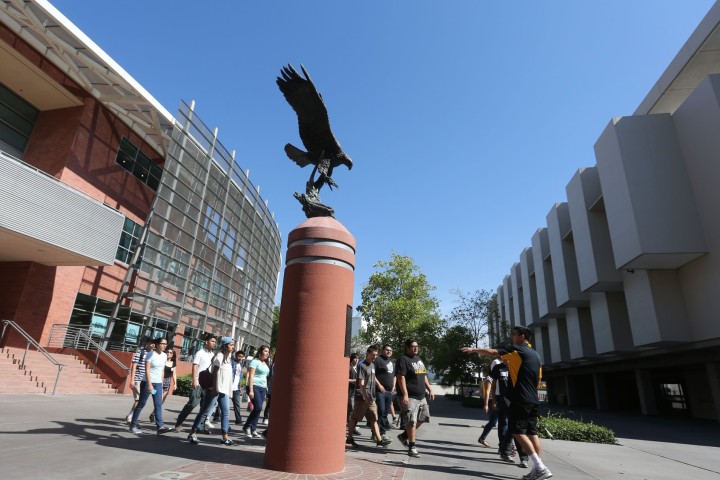
Certificate in Clinical Counseling
The Certificate in Clinical Counseling consists of seven courses. For students admitted to the Master of Science in Counseling, Option in Rehabilitation Counseling program at California State University, Los Angeles (Cal State LA), five of these courses are embedded in the master's degree curriculum.
Admitted students are automatically eligible to pursue the certificate and need to complete only two additional courses: COUN 5112 Psychopharmacology for Counselors and COUN 5115 Couples and Family Counseling. Rehabilitation Counseling graduates who complete the certificate meet California's educational requirements for licensure as a Licensed Professional Clinical Counselor (LPCC). It requires completion of 12 units with a minimum B (3.0) average.
Students outside the Rehabilitation Counseling program may apply for the certificate through Cal State Apply. Because LPCC eligibility depends on an applicant's entire graduate education, the program cannot guarantee that completing the certificate will satisfy California's licensure requirements for these students. Prospective students who plan to pursue the certificate for LPCC licensure are encouraged to contact the program before applying.
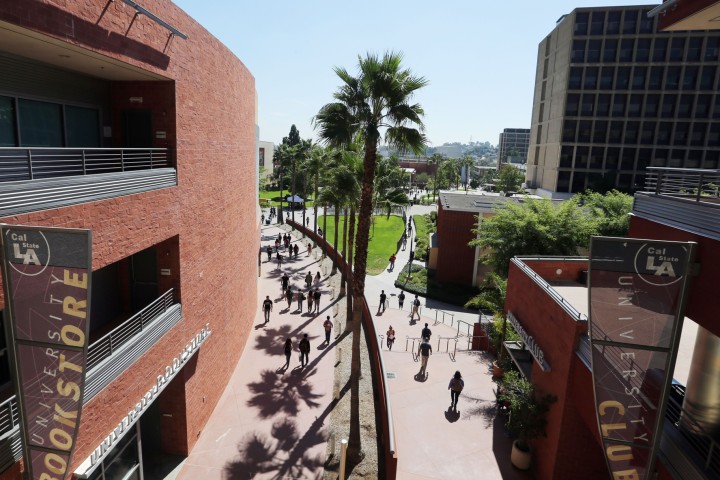
Certificate in Higher Education and Career Counseling
Certificate in Higher Education and Career Counseling Students admitted to the Master of Science in Counseling, Option in Rehabilitation Counseling program at California State University, Los Angeles (Cal State LA) are automatically eligible to pursue the Certificate in Higher Education and Career Counseling.
The certificate is designed to strengthen students' competencies in career counseling and does not lead to professional licensure. It requires completion of 12 units with a minimum B (3.0) average. Prospective students interested in the certificate are encouraged to contact the program for more information.
Program Faculty
As part of the Rehabilitation Counseling Program, students receive individual advisement and instruction from expert faculty members who combine extensive classroom-teaching experience, research, and pre-service and in-service development in the area of rehabilitation counseling. For more information regarding rehabilitation counseling, contact the faculty below:
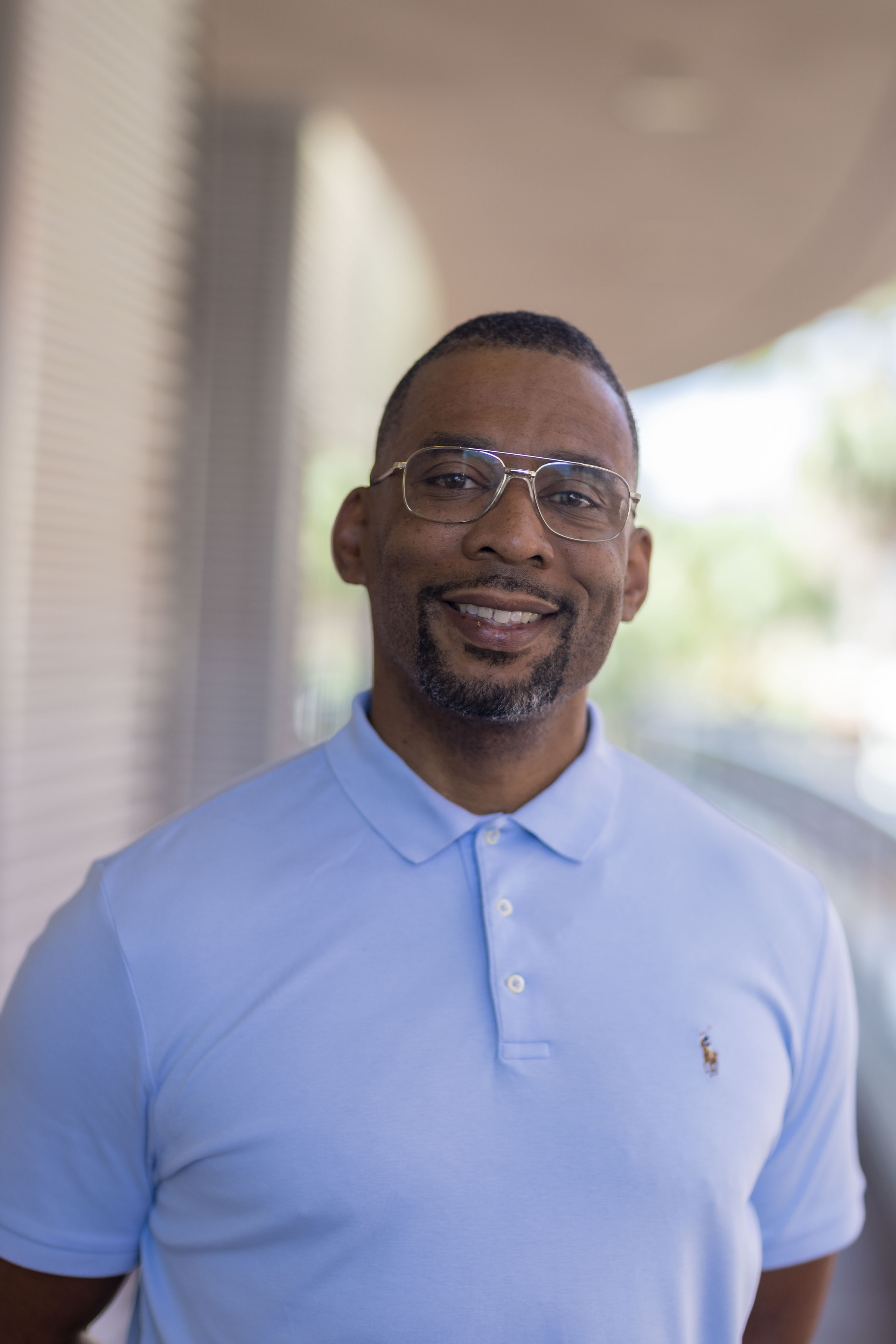
Ramar Henderson, Ph.D., APCC, CRC
Title: Assistant Professor
Office: KH C1064
Phone: (323) 343-6161
Contact Email: [email protected]
Zoom Link: https://calstatela.zoom.us/my/rhender.phd
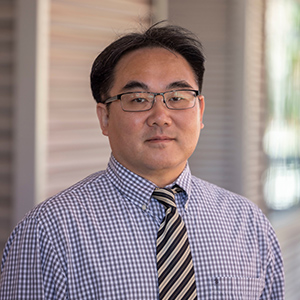
Jeong Han Kim, Ph.D., CRC
Title: Professor
Office: KH C1032
Phone: TBD
Contact Email: [email protected]
Zoom Link: TBD