Students in courses across the College partner with local organizations to address real community and business needs. Working under faculty guidance, they deliver research, data analysis, marketing strategy, data tools, and design work that partners put to use. Each project listed here identifies the course, the faculty member, the partner organization, and what the collaboration produced. Projects span for profit, nonprofit, healthcare, government, and small business sectors throughout Greater Los Angeles and beyond. New projects are added each semester.

MBA Consulting: Insight Into Action
COURSE
MGMT 5980, BUS 5995A, and MGMT 5106: graduate consulting courses
FACULTY MEMBER
Dr. Stephen McGuire & Dr. John Cooper
PARTNER ORGANIZATION
Businesses, nonprofits and public-serving originations across 25 industry categories in Southern California and beyond.
WORK PERFORMED
Student team conduct client-centered organizational assessments and action research. They define project scopes, gather and analyze evidence, present findings, and develop recommendations tailored to each client.
OUTCOME
From 2024-25, 156 MBA students completed 32 client projects across 25 industry categories. Sixteen clients were identified as diverse-owned or managed, and partners described the work as professional, insightful and actionable.
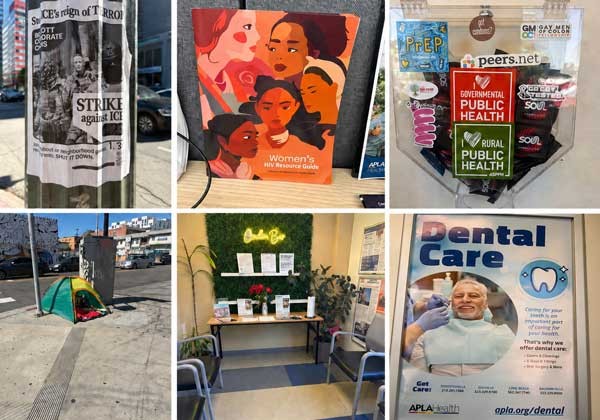
Greater LA Photo Voice for Healthcare
COURSE
Faculty-led community-engaged research project; no course was identified in the report
FACULTY MEMBER
Dr. Charleata Battle
PARTNER ORGANIZATION
APLA Health, a community-based healthcare organization serving people affected by HIV and other health disparities.
WORK PERFORMED
Using participatory action research and photovoice, nine participants submitted images and narratives documenting their healthcare experiences. The research examined access, housing instability, stigma, immigration-related fear, representation, privacy, and trust in healthcare environments.
OUTCOME
The study produced a patient-centered qualitative dataset and recommendations related to housing-health coordination, gender-responsive HIV resources, immigration-safe communication, clinical privacy, and culturally responsive care. The findings provide APLA Health with actionable insights for improving patient engagement and access.
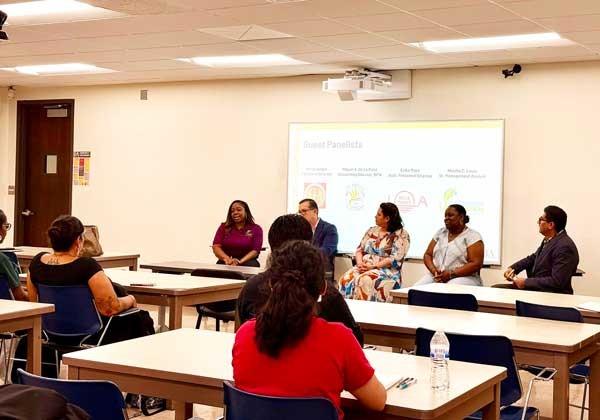
Public Sector Career Discovery and Partnership Framework
COURSE
College-wide career-engagement initiative involving students from management courses and CBE student organizations; no single course was identified.
FACULTY MEMBER
Brandon Shamim
PARTNER ORGANIZATION
City of Los Angeles departments, including Recreation and Parks, Public Works, LA Sanitation, the Fire Department, and the City Administrative Officer.
WORK PERFORMED
The project established a Public Sector Advisory Group, convened City professionals, hosted a Career Discovery Panel, administered student pre- and post-event surveys, collected industry feedback, and connected students to a mock civil-service examination workshop.
OUTCOME
Eighteen students registered for the panel. Familiarity with public-sector careers increased from 2.55 to 3.22, while understanding of the hiring process increased from 2.26 to 3.19. The initiative also led to participation in the LA Bureau of Sanitation Hiring Task Force and created a foundation for internships, mentoring, and applied-learning partnerships.
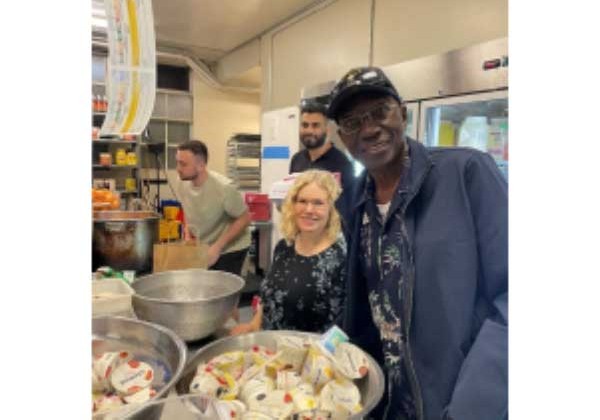
The Volunteering Advantage
COURSE
Faculty-led community-engaged research project; no course was identified in the report
FACULTY MEMBER
Dr. Arjun Mitra
PARTNER ORGANIZATION
First Congregational Church of Los Angeles, which operates volunteer-supported food access, community gardening, youth, hospitality, and social-support programs.
WORK PERFORMED
The project used a multistage survey design to examine volunteer motivation, meaningfulness, organizational support, leadership, program structure, and psychological well-being. Initial findings were based on registration and survey data from 40 volunteers.
OUTCOME
Volunteers reported a strong sense of purpose, belonging, human connection, and emotional well-being. The research also identified opportunities to strengthen onboarding, training, communication, role clarity, workload distribution, recognition, and burnout prevention. Findings will guide a volunteer training and development program.
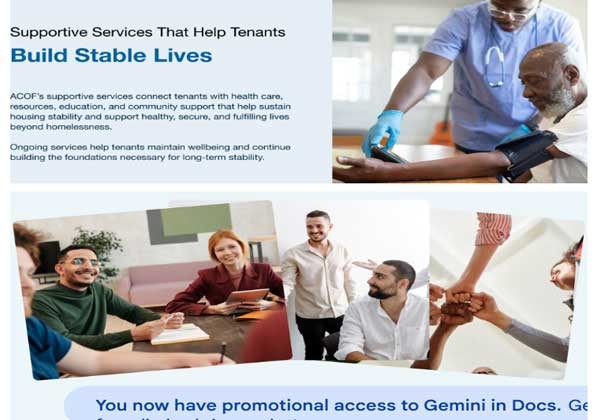
Digital Representation Consulting Program
COURSE
Program activities span CIS 3610: Web Design and Development and CIS 3060: Systems Analysis and Design and have informed CIS 3200: AI for Business.
FACULTY MEMBER
Dr. Jose Ortiz
PARTNER ORGANIZATION
A Community of Friends served as the flagship partner. The broader program has collaborated with four nonprofit organizations in the Los Angeles area.
WORK PERFORMED
The program transforms organizational reports, presentations, interviews, and program records into professional digital assets. Work included stakeholder consultation, content development, visual design, website development, deployment, and Google Sheets integration for maintainable online resources.
OUTCOME
The flagship ACOF digital representation communicates the organization’s family, health, housing, and professional-development programs to prospective supporters and partners. The completed asset represents approximately 208 consulting hours and an estimated professional replacement value of $31,200.
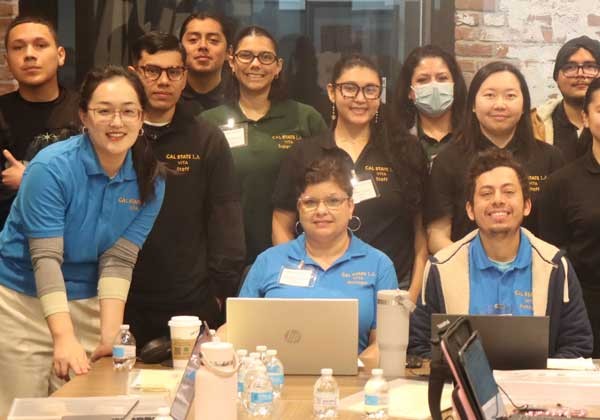
VITA Collaboration with Homeboy Industries
COURSE
ACCT 4210D: Volunteer Income Tax Assistance Program
FACULTY MEMBER
Dr. Xiangge “Angela” Wang
PARTNER ORGANIZATION
Homeboy Industries, which provides training, counseling, employment, and reentry support to formerly gang-involved and previously incarcerated individuals.
WORK PERFORMED
Fifteen student volunteers operated a free tax-preparation clinic at Homeboy Industries. Students completed client intake, prepared returns in TaxSlayer, reviewed filings, resolved documentation issues, explained tax matters, and managed electronic filing.
OUTCOME
Students prepared 16 tax returns that generated more than $7,500 in federal refunds and $2,300 in state refunds. Clients gained tax and financial knowledge, while students strengthened their accounting, communication, teamwork, and problem-solving skills and clarified their professional interests.
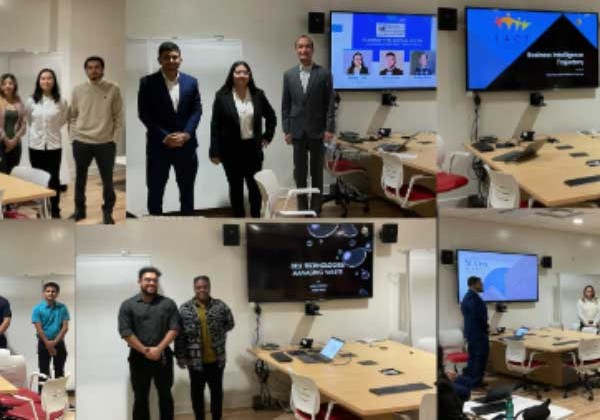
Community Partner Internship Program
COURSE
CIS 4900: Capstone in Information Systems
FACULTY MEMBER
Dr. Pamella Howell
PARTNER ORGANIZATION
YMCA of Metropolitan Los Angeles, with additional internship opportunities provided by three other community partners.
WORK PERFORMED
Students completed community-based internships in data analytics and business analysis. They addressed nonprofit organizational needs while developing problem-solving, teamwork, professionalism, quantitative analysis, and written and oral communication skills.
OUTCOME
In Fall 2023, 19 of 33 capstone students—57% of the cohort—secured internships. The YMCA provided 52% of the internship positions, while nine additional students were placed with three other community organizations.
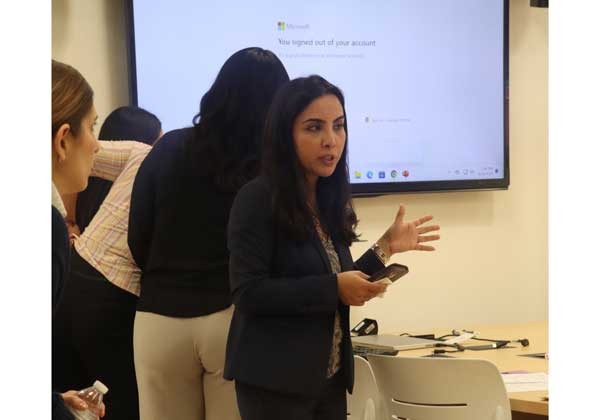
Inclusive Mental Health Workforce and Service Access
COURSE
MKT 3950: Community-Based Social Marketing
FACULTY MEMBER
Dr. Shikha Upadhyaya
PARTNER ORGANIZATION
Southern California Counseling Center, including its Watts location serving low-income and underserved communities in South Los Angeles.
WORK PERFORMED
Thirty students analyzed historical counselor and client data, surveyed 80 counselors, and conducted four follow-up interviews. Student teams developed data-driven recommendations, a social marketing plan, visual content, and presentations addressing workforce diversity, counselor retention, incentives, and service accessibility.
OUTCOME
The partner received evidence-based insights to support decisions about hiring diverse paid mental health associates and better incentivizing current providers. The continuing collaboration has also informed service improvements, intake-assessment practices, and efforts to expand the diversity of the behavioral-health workforce.
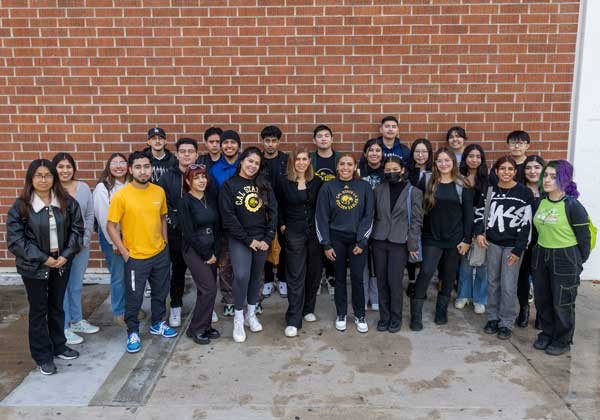
Enhancing Eco-Therapeutic Programs for the Visually Impaired
COURSE
MKT 3400-03: Consumer Behavior, Fall 2023 (30 students)
FACULTY MEMBER
Dr. Mine Ucok Hughes
PARTNER ORGANIZATION
Hearts for Sight Foundation, with support from Pando Populus and Ascribe
WORK PERFORMED
Students analyzed survey and interview data from participants in Hearts for Sight’s eco-therapeutic program, which provides supported nature walks for people who are blind or visually impaired. Using AI-assisted data analysis, students identified participation barriers, motivations, and benefits; created audience personas; and developed marketing strategies involving sensory gardens, digital media, family events, and nonprofit partnerships. Students presented their recommendations through a written report and recorded presentation.
OUTCOME
The project provided Hearts for Sight with actionable recommendations to strengthen its eco-therapeutic programming, raise awareness of the needs of visually impaired communities, and support volunteer participation. Students gained experience in client collaboration, AI-assisted research, teamwork, and applied marketing. The initiative was selected as one of 16 Pando Populus projects aligned with the Los Angeles County Sustainability Plan and supported United Nations Sustainable Development Goal 11.
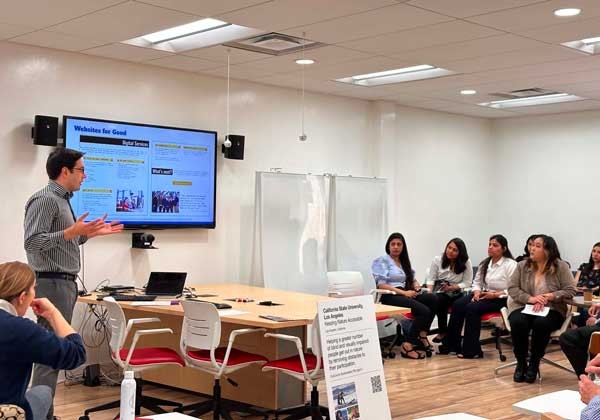
Hope and Homes: Supporting Housing Programs for People with Mental Illness
COURSE
CIS 3610: Web Design and Development
FACULTY MEMBER
Dr. Jose Ortiz
PARTNER ORGANIZATION
A Community of Friends
WORK PERFORMED
Twelve students working in five teams designed a website in Figma to increase the visibility of ACOF’s specialty programs serving people affected by homelessness and mental illness. Teams developed the site’s structure, navigation, content organization, and user interface.
OUTCOME
The strongest student design was selected and presented to ACOF for feedback. One student developed an honors thesis from the project, and the top-performing team presented at the CBE Community Engagement Symposium. The design now provides a foundation for developing a functional, accessible website.
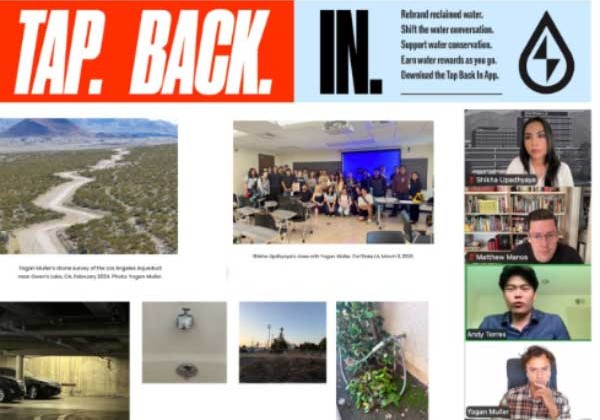
Tap. Back. In. Campaign
COURSE
MKT 3950: Community-Based Social Marketing (project foundation), continued through an interdisciplinary Cal State LA-UCLA collaboration
FACULTY MEMBER
Dr. Shikha Upadhyaya, Department of Marketing, Cal State LA
Yogan Muller, UCLA Design Media Arts Counterforce Lab
PARTNER ORGANIZATION
Metropolitan Water District (MWD) and UCLA Counterforce Lab
WORK PERFORMED
Building on Phase One, students Lea Campos and Andy Torres used photovoice, interviews, surveys, student engagement, and secondary research to examine how Angelenos understand and experience water. Their findings informed the Tap. Back. In. campaign, which uses rebranding, clear labeling, generational audience segmentation, and repeated community exposure to address unfamiliarity, distrust, the “yuck factor,” and inequities in water access.
OUTCOME
Phase Two transformed the initial research into a public-facing, equity-centered campaign designed to build trust, reduce stigma, and position reclaimed water as part of a sustainable and equitable water future for Los Angeles. The intercollegiate project was featured through Pando Days 2025-2026 and supports Los Angeles County Sustainability Plan Goals 11 and 12.
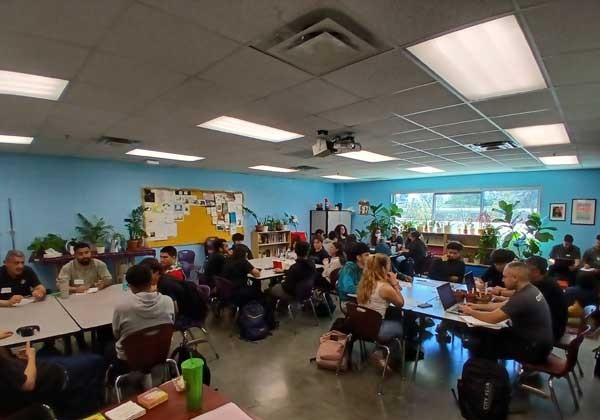
Future Workforce Motivators
COURSE
MGMT 5106: Seminar in Employee Motivation, MBA elective
FACULTY MEMBER
Dr. Natalie Liberman
PARTNER ORGANIZATION
Alliance Marc & Eva Stern Math and Science School, a public charter high school serving students from East Los Angeles.
WORK PERFORMED
Twenty-five MBA students interviewed 30 high school students about the factors shaping their career aspirations. Student teams analyzed the interviews using motivation theories and developed presentations on purposeful work, employee rewards, leadership, career planning, teamwork, and work-life balance.
OUTCOME
The project identified purpose, flexibility, respect, meaningful work, and intrinsic motivation as important workforce priorities. It also strengthened MBA students’ applied research skills while helping high school students connect education, income, and career opportunities.
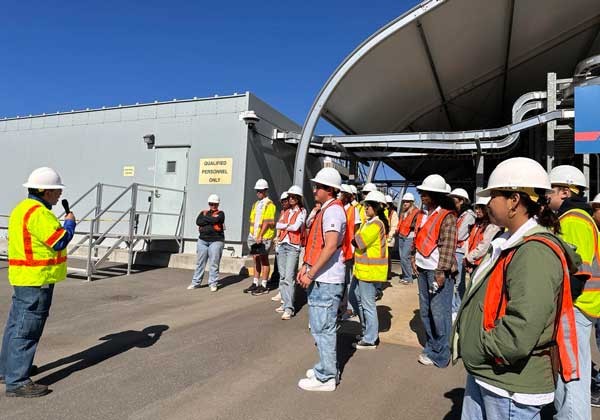
Pure Water, Shared Future: Equity-Centered Marketing for Reclaimed Water
COURSE
MKT 3950: Community-Based Social Marketing (30 students)
FACULTY MEMBER
Dr. Shikha Upadhyaya
PARTNER ORGANIZATION
Metropolitan Water District (MWD), Pando Populus, Cal State LA, UCLA Counterforce Lab
WORK PERFORMED
Students conducted equity-centered market research and developed marketing strategies to increase public trust and comfort with purified reclaimed drinking water. The project examined water-related needs, knowledge, and barriers among underserved Los Angeles communities while addressing concerns about creating, or appearing to create a two-tiered water system.
OUTCOME
- 2024-2025: The project produced community-relevant insights and equitable marketing strategies to support reclaimed water adoption and strengthen public trust. Pando Populus identified the project as aligned with Los Angeles County sustainability goals and recognized it with the 2025 Earth Hero Award for Excellence in Reimagining the Narrative.
- This work has also been presented at Marketing and Public Policy Conference (2025) and Marketing Educators Association Conference (2026)
Student-Led Firm Valuation Projects
COURSE
FIN 3030: Business Finance
FACULTY MEMBER
Dr. Bingbing Wang
PARTNER ORGANIZATION
Cal State LA Real Estate Club
WORK PERFORMED
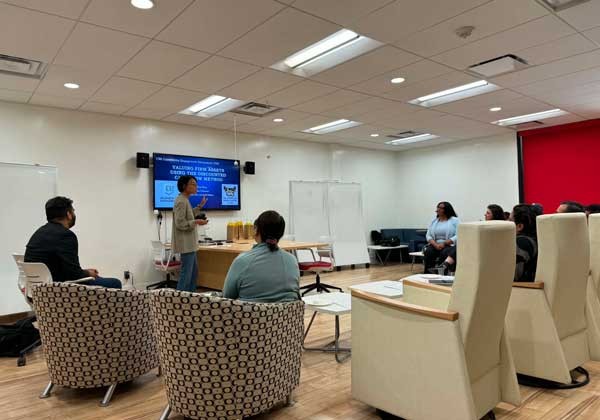
Students served as asset appraisers, selecting publicly traded firms and examining ten years of financial data. They used Excel and discounted cash flow analysis to calculate each firm’s net present value, prepared written reports, and presented their findings at Real Estate Club meetings.
OUTCOME
Students strengthened their understanding of present and future value, discount rates, internal rate of return, and net present value. They also developed practical skills in financial research, Excel-based analysis, report writing, and professional presentations while connecting classroom concepts to careers in finance, investment, asset management, and appraisal.
Assessing Health and Housing Needs Through a Racial Equity Lens
COURSE
CIS 5270: Business Intelligence, Spring 2024 and Spring 2025
FACULTY MEMBER
Dr. Shilpa Balan
PARTNER ORGANIZATION
A Community of Friends, a nonprofit organization providing affordable, service-enriched supportive housing to people experiencing homelessness, disabilities, and economic insecurity.
WORK PERFORMED
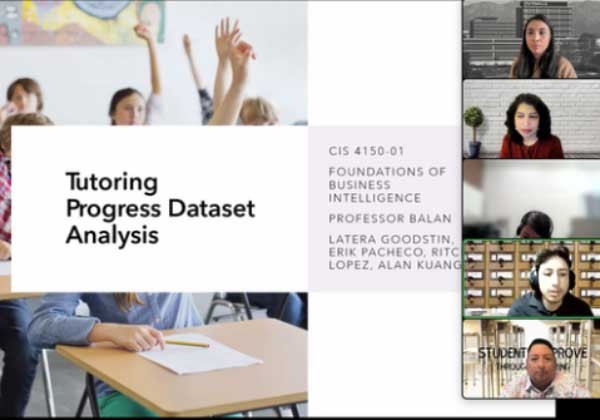
Thirty students initially analyzed health and housing outcomes among veterans. A second cohort of 23 MSIS and MBA students expanded the analysis to residents across multiple Los Angeles housing facilities, examining demographics, chronic health conditions, service access, and resident satisfaction.
OUTCOME
The analyses identified racial, gender, age, and facility-level differences in health needs and service experiences. Average resident satisfaction across five sites was 4.29 out of 5, with site averages ranging from 3.83 to 4.75. Findings highlighted strong core services and areas where community programming and preventive health support could be improved.
Last Updated: July 2026