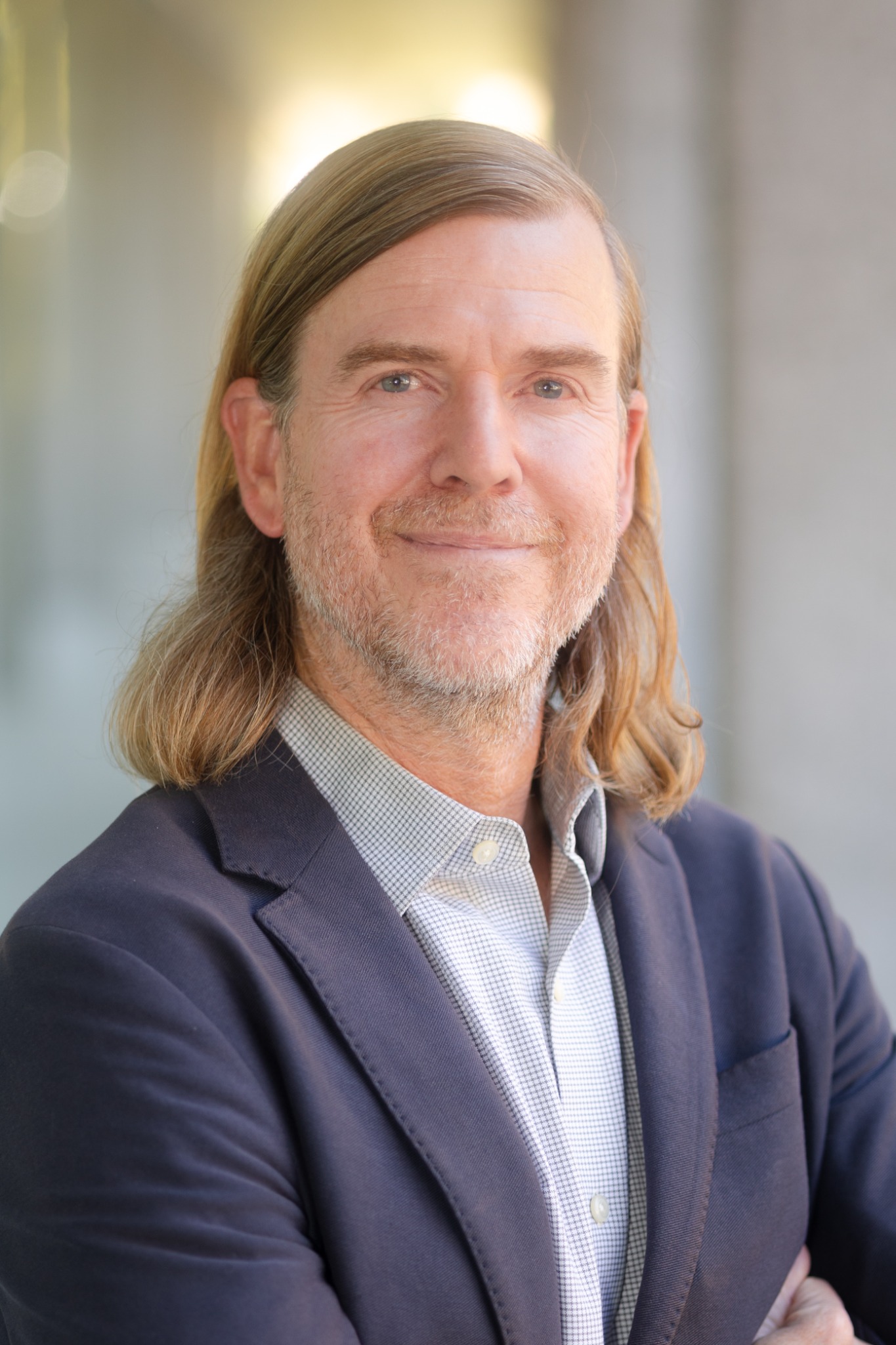
Dr. Stevens has been at Cal State LA for the past six years. He is a professor in the Department of Public Health and is in his third year of serving as the Department Chair. His interests and teaching experience are in public health policy, health care systems, and vulnerable populations.
Get To Know Dr. Stevens
Tell us a little about your teaching at Cal State LA—how long you’ve been here, what department you’re part of, and the courses and students you work with.
I’m currently a professor and chair of the Department of Public Health. I’m starting my sixth year at Cal State LA and my third as chair. Currently, I’m not teaching. But I have strong interests and teaching experience in public health policy, health care systems and vulnerable populations.
What drew you to teaching, and what do you enjoy most about teaching Cal State LA students?
Many of the students at Cal State LA are deeply interested in learning, and knowing that we are part of the trajectory of upward mobility for these students matters a lot to me.
Can you share a moment in your teaching—perhaps an “aha” moment when you saw learning click for a student, or an especially positive experience you shared with a student or class—that has stayed with you?
Helping one of our undergraduate students get interested in a public health issue, then decide to pursue Master level training from our university to get better at solving the problem, and then start a doctoral program to research and amplify his impact, has been a highlight for me.
Tell us about the teaching practice you’re sharing. Where do you use it, and what does it look like from a student’s perspective?
Our department was proactive about adapting and integrating AI into our degree. To make sure we were appropriately responding to the emergence of AI as a tool, we developed a baseline AI use policy for students that addresses not just the inappropriate uses of AI, but also when its use is appropriate. We want students to use AI at the right place and time, and in transparent and ethical ways—and, importantly, we explain our rationale in our AI policy. We purposefully didn’t limit faculty variation from the policy—if they were clear with students about how their class-specific AI-use rules were different from our baseline policy.
What led you to try this practice? Was there a learning goal, student need, or teaching challenge you were trying to address?
In public health, we are generally proactive people because we focus as a field on prevention. It made sense for us to get involved with AI because we understood fairly well the potential health and educational risks and implications for students. And we also knew that our field of public health was implementing AI in truly novel ways—predicting disease spread, countering public health misinformation, etc.
How does this practice make learning more student-centered?
Being clear with students about AI tools is being student-centered. We want them to learn how to use them for the right purposes, embedded in our curriculum. And we want them to use AI at times and in ways that support (rather than suppress) their native intellectual growth, decision making, and problem solving.
What have you noticed about how students respond to the practice or what they get out of it?
We are in our first few weeks of implementation and will be evaluating the reactions to the policy by our instructors and students. In the development of the policy, we involved both undergraduate and graduate public health students, and their responses indicated a deep appreciation for standardizing expectations—and especially explaining why. They were also pleased to see us indicate that the policy was not simply about punishment for AI use, but rather a form of guidance to students on how and when to use it.
How do you think this practice prepares students for what comes next, whether that’s the workplace, graduate school, or another path?
Students will encounter a workforce that is adapting to AI in some of the same ways as academia. We want our students to feel prepared for participation in a workforce (or graduate program) that is likely to be using AI and struggling with some of the same issues. Knowing how to be ethical and transparent in the use of AI is worthwhile, even as expectations may change rapidly over the coming years.
If a colleague wanted to adapt this practice, what would you want them to know, and where should they start?
Any faculty member or department could adopt a similar policy. The key is deciding what types of AI use are considered appropriate and inappropriate. This will probably vary by the professional field and the professional culture of that workforce. But within academia, there may be some consistencies in what types of AI use support (rather than hinder) learning, and increasingly clear guidance on when integrating its use is appropriate.
What do you hope sharing this practice adds to conversations about teaching at Cal State LA?
I think AI use is a challenge across the university—and we hope our policy helps faculty think about AI use from a perspective beyond simply trying to prevent cheating. We want students to use AI and think explaining our rationale for when to use it, and when not, might help faculty think beyond the punitive, and more about the possibilities.
What do you enjoy doing when you’re not teaching?
I love playing and coaching soccer, hiking local trails and going camping, and passing on my deep appreciation for the creativity of playing Dungeons and Dragons with friends.