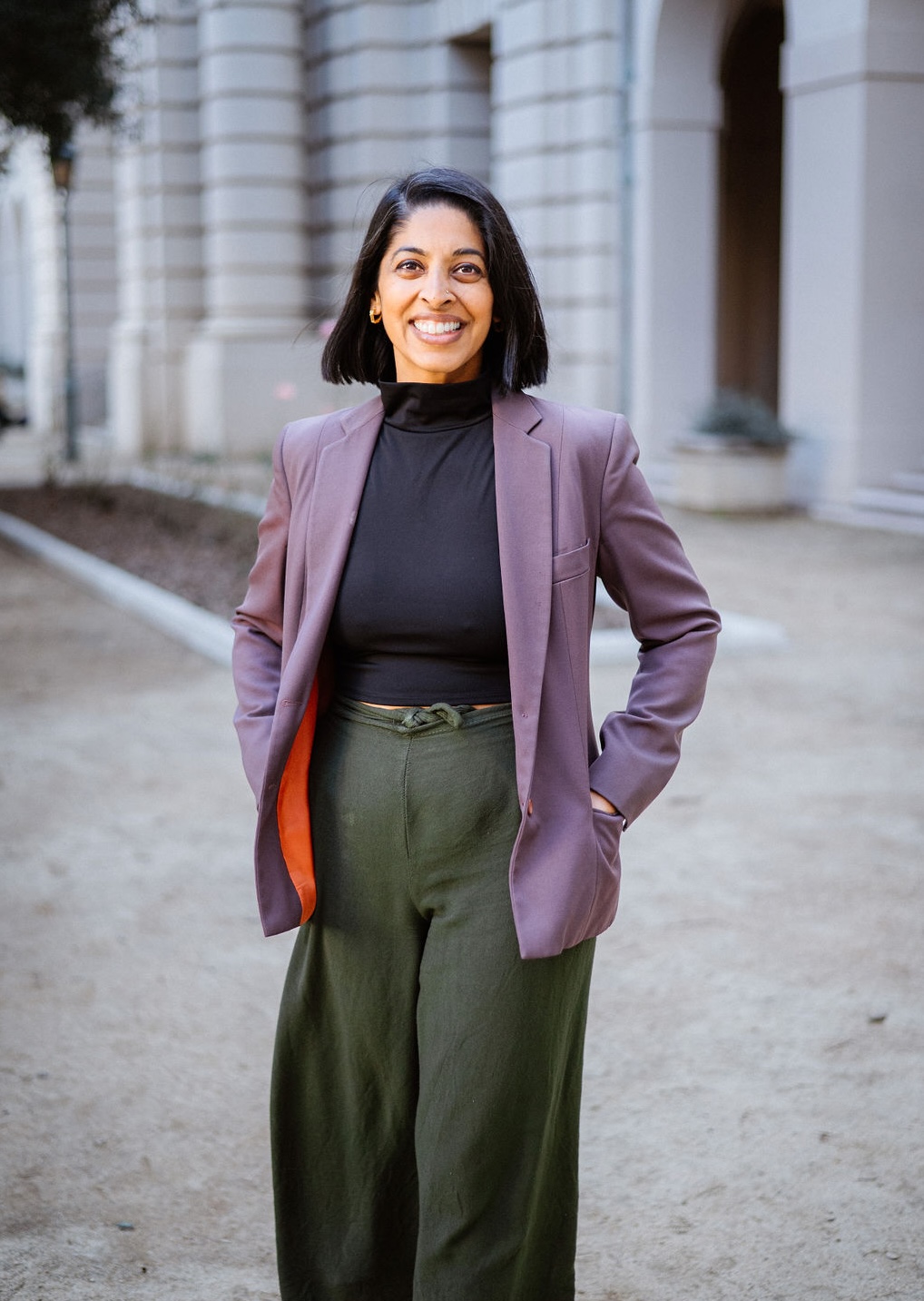
Get To Know Dr. Ananth
Tell us a little about your teaching at Cal State LA—how long you’ve been here, what department you’re part of, and the courses and students you work with.
I have been teaching in the School of Criminal Justice and Criminalistics at Cal State LA for 12 years. I teach Multiculturalism in Criminal Justice, California Criminal Justice Policy, Juvenile Justice, Judicial Organization, Global War on Terror, and a Service Learning Internships course.
What drew you to teaching, and what do you enjoy most about teaching Cal State LA students?
I have been teaching in different ways since I was a young person! As the eldest daughter of Indian immigrants, I spent a lot of my youth arguing with family members and my community about social justice issues I learned about in the United States and in India. I also loved working with young people and the teaching components of different jobs I had during and after college, including working at a Public Defenders’ clinic, a youth mentorship organization, an anti-teen domestic violence organization, and a human rights think tank. When I got accepted to a PhD program, I wasn’t sure I would finish, but I found that I loved research and writing as much as I loved the teaching.
Tell us about the teaching practice you’re sharing. Where do you use it, and what does it look like from a student’s perspective?
Reading dense historical academic books can be a challenge for students early in their undergraduate career. Every time I take them to Special Collections, however, I see the connections fall into place! They’re so used to receiving information that’s already curated by influencers, researchers, or the wild internet. To look at the primary source materials and pay attention to their thoughts as they flip through is an experience in data collection and analysis that many haven’t had to do. One of my colleagues once told me that this assignment was the definition of A.I.-proof! Students learn what is possible in their own minds and hands and how it feels to be the engine of intelligence with no other impact than for themselves (and those 10 points in my class!). I love seeing students’ minds get focused and quiet as they’re flipping through and their reflective eyes when I ask how it’s going
What led you to try this practice? Was there a learning goal, student need, or teaching challenge you were trying to address?
When I was an undergrad at NYU, I took a class with Prof. Jack Tchen called “Chinatown and the American Imagination,” in which we went as a class to the archives where interviews with Chinese immigrants from the 1910s and 1920s were held. Each of us got to look through all the materials related to a single immigrant and were required to write on what we learned. I can still feel the paper and see the typewritten transcript of the interview I got to examine. I can remember thinking about how invasive and orientalist Ellis Island officials’ questions were. That experience has never left me, and I wanted to provide that for my students here.
How does this practice make learning more student-centered?
Students are at the center of analysis here! I keep the stakes low in terms of writing. The written assignment is mostly a reflection of the story they uncovered in Special Collections and how it relates to our course materials. I also rely heavily on the expertise of our Cal State LA Archivist, Azalea Camacho, and other librarian faculty like Cybele Lyle who have helped my students understand how to look for that story and how to respect the materials! Students leave the exercise with a whole new understanding of the value of university special collections.
How do you think this practice prepares students for what comes next, whether that’s the workplace, graduate school, or another path?
My goal is for students to consume information critically, and this exercise helps them understand physically and materially where history comes from! The other part of the assignment asks students to connect to what we’re discussing in class, which are the experiences of justice-impacted communities today.
If a colleague wanted to adapt this practice, what would you want them to know, and where should they start?
Get in touch with Special Collections and Archives on campus! Pay them a visit and ask to meet with Azalea. Because of budget constraints, Special Collections and Archives is facing potential shutdowns in the coming semesters, so I would also recommend getting in touch with your department chair and college dean to see what they can do to help keep the Library in the red and Special Collections open.
What do you hope sharing this practice adds to conversations about teaching at Cal State LA?
Fighting the beast of A.I. plagiarism is not just about catching and punishing it. It’s also about getting students to work with physical materials that will advance their critical thinking skills and help them develop a healthy skepticism about what generative A.I. can and can not do. As the internet fills up with A.I. slop, it’s getting harder and harder for students to find reliable sources online in general! They are on board for the challenge of learning through their own experiences with original data.
What do you enjoy doing when you’re not teaching?
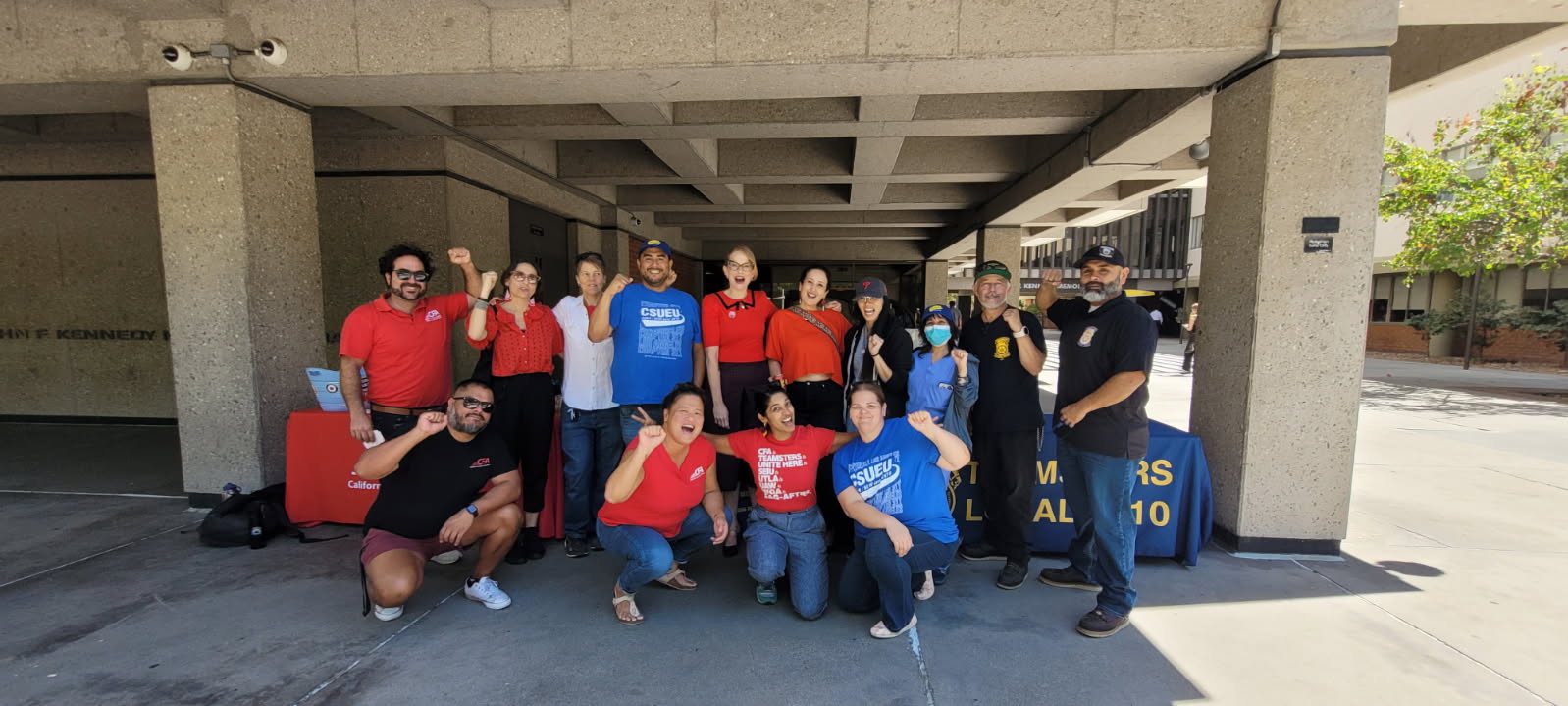
Community and campus organizing, hiking, taking dance classes, playing in an adult soccer league, cooking, spending time with my family, and taking down global imperial fascism one block at a time!