

🌍 Shape the Future. Start Here.
Ready to turn curiosity into impact? Our Political Science program is your launchpad into the world of power, policy, and people. Whether you dream of becoming a diplomat, policymaker, advocate, or changemaker, you’ll dive into the forces shaping societies—while sharpening your skills in research, debate, and critical thinking.

From local activism to global governance, you’ll explore big questions, tackle real-world issues, and connect with faculty mentors passionate about guiding the next generation of leaders. With opportunities for internships, study abroad, and hands-on projects like the Model United Nations, you won’t just study politics—you’ll live it.
As a political science major, you’ll explore topics that matter to you: democracy and representation, human rights, social justice, international conflict, immigration policy, and more. You’ll learn how power works—who has it, how it’s used, and how it can be challenged. Most importantly, you’ll find a community of peers and mentors who share your passion for making a difference. Together, you’ll ask tough questions, debate ideas, and imagine new solutions to the challenges of our time.
Turn your passion for politics into a profession that makes an impact. A political science degree equips you with skills that translate directly into the workplace. Graduates build careers in law, government service, policy research, international relations, and public administration, but also thrive in fields like business, communications, consulting, and education. With training in analysis, writing, and problem-solving, political science majors are well-prepared for jobs that require clear thinking and effective decision-making—skills employers consistently value.
Our department is committed to fostering an environment where all viewpoints are welcomed and debated respectfully. We believe that learning flourishes when students engage across differences, explore ideas critically, and challenge one another in constructive ways. No matter your background or perspective, you’ll find a place here to ask hard questions, share your voice, and grow as a thinker and leader.
Our faculty are nationally recognized scholars whose research shapes conversations in political science and beyond. They publish widely in top journals and presses, bring fresh insights into the classroom, and frequently contribute to public debates on pressing issues. Their commitment to cutting-edge scholarship means students learn directly from experts who are actively advancing the field.
💡 If you’re ready to turn curiosity into action and vision into leadership, this is where your journey begins.

Our Degree Programs
The department offers three degree programs. The Bachelor of Arts provides a thorough overview of the main fields of political science, with students able to pursue a broad general orientation or specialize in the subfields of Global Politics, Prelegal Studies, or Public Administration (minors are also offered in these areas). The Master of Arts provides more intensive and advanced instruction in the discipline, while the Master of Public Administration concentrates on core topics in the management of the public sector and non-profit organizations.
Our Mission
The mission of the Department of Political Science is to combine teaching, research, and scholarship to educate students to:
- Think critically and systematically about government and politics across local, national, and global settings;
- Prepare for successful careers and graduate study in law, public service, politics, international affairs, and numerous other fields;
- Become active and informed citizens through an understanding of American politics and society; and,
- Contribute to the discipline of political science through professional participation and scholarly activities in academic and civic communities.
Cal State LA is a superb place to study politics:
- Experienced and accomplished faculty members who cover the major fields in the discipline.
- A department and university culture that values effective and enthusiastic teaching.
- Relatively small classes (usually no more than 40 students) that encourage interaction among students and faculty.
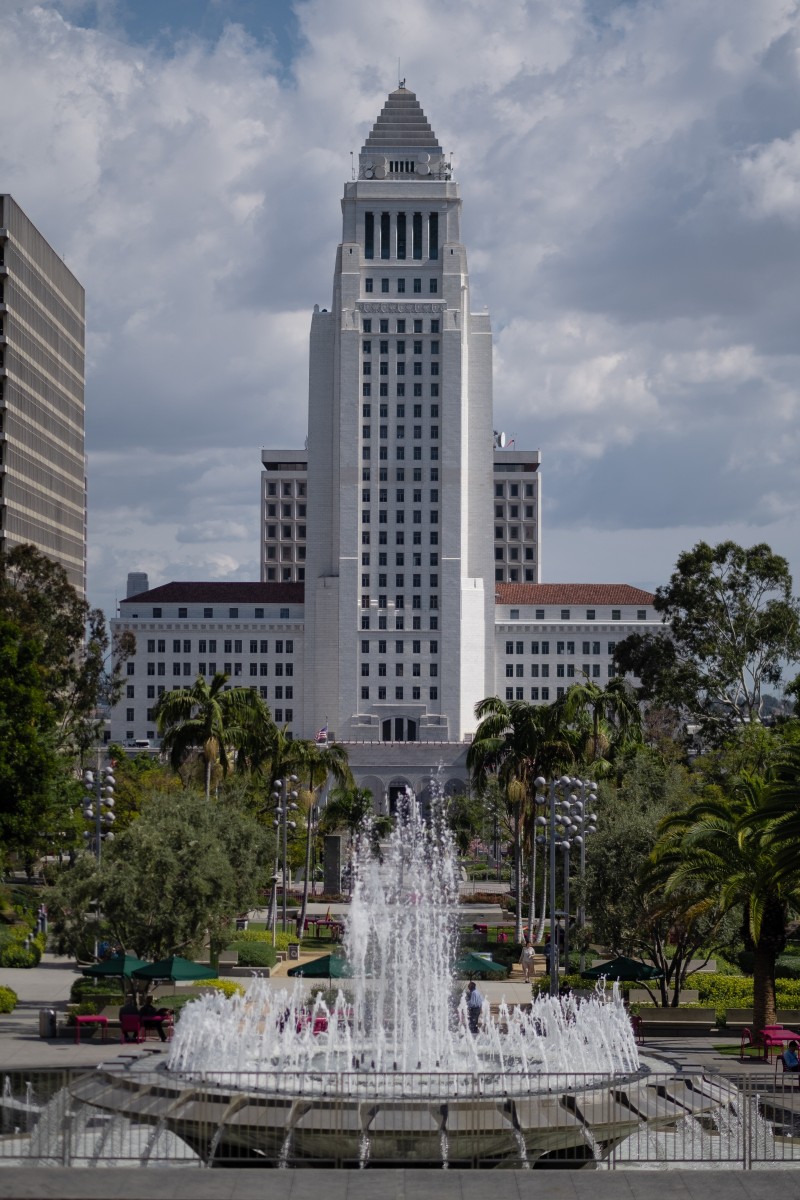
- An exciting location in the city of Los Angeles, with much to experience and study nearby.
- A record of graduates gaining admission to competitive law schools and graduate programs.
- Opportunities for internships, participation in our award-winning Model United Nations chapter, and field trips locally and to Sacramento and Washington, DC.
Undergraduate students are welcome to consult with the department chair for advice on department and university requirements. Students are also encouraged to utilize the services of the College of Natural Sciences Advisement Center, especially on issues of reinstatement and academic disqualification.
Department Chair and Undergraduate Advisor
Prof. Gar Culbert: [email protected]
Master of Public Administration Program, Director and Graduate Advisor
Prof. Marla Parker: [email protected]
Master of Arts in Political Science Program, Graduate Advisor
Prof. Michael McLendon: [email protected]