Note to editors and news directors:
Professor Roberto Cantú and others are available for advance interviews in English and Spanish. To make arrangements, please call or email the Public Affairs contacts listed above.
Journalists are welcome to attend the conference.
Photos of Mesoamerican ruins and artifacts are also available below. Please credit the photographer, Cal State L.A. Art History Professor Manuel Aguilar-Moreno. (High-resolution versions are available by clicking on photos below.)
___
MESOAMERICA’S MYSTERIES, MANIFESTATIONS – FROM MAYAN CODE TO MODERN CULTURE
Cal State L.A. invites public to free 2-day exploration into hieroglyphics,
history, sports, religion, cosmology, more with scholars, filmmaker
Los Angeles, CA – “The Mesoamerican world was not destroyed in the 16th Century. It is a living culture,” said Roberto Cantú. “People still speak Mayan. People speak Nahua.”
An expert on Latin American literature and a professor at California State University, Los Angeles, Cant̼ and his colleagues at Cal State L.A. are hosting a free conference Friday and Saturday, May 15 and 16, to explore the ancient ways of the Aztec, Maya, Toltec and other cultures of Mesoamerica civilization Рand to examine how remnants of those worlds remain vital today.
The public is invited to the conference, which will include international scholars presenting more than a dozen panels, lectures and workshops. Topics will range from archaeology to ulama, an ancient basketball-soccer-like sport still played in Mexico. Other sessions will cover, among other topics, offering bowls and funeral urns, ancient astronomy, statues and symbolism, ancient and modern Mesoamerican writing systems, colonial Oaxaca, and portrayals in modern literature and film, including the 2007 film “Apocalypto.”
Titled “Continuity and Change in Mesoamerican History, From the Pre-Classic to the Colonial Era,” the conference will feature leading experts – including David Carrasco, founder of the Mesoamerica archive at Harvard University; John Pohl, curator at UCLA’s Arts of the Americas Fowler Museum; Viola Konig of the Ethnologisches Museum in Berlin, Germany; and Karl Taube of UC Riverside. It will also include panel presentations by more than 30 other scholars, including nine from Cal State L.A.; several from other UC and CSU campuses; and others from U.S. universities, Mexico, the Ukraine and Canada.
The film “Breaking the Maya Code” will be also screened Friday evening, followed by a workshop on deciphering Mayan hieroglyphics Saturday morning.
The major events will be in the University-Student Union Theatre; other events will be at various locations on the Cal State L.A. campus. No preregistration is necessary. A schedule and other details are here: http://calstatela2009conferenceonmesoamerica.blogspot.com/
According to Cantú, the conference attracted high-caliber scholars because it also celebrates the centennial of the birth of Tatiana Proskouriakoff . A Siberian-born, Pennsylvania-raised, Harvard-based archaeologist, Proskouriakoff made her first (published) research mark by linking carved jade to a lineage of ancient rulers in present-day Guatemala. Later her work reordered contemporary interpretations of Mayan hieroglyphics.
“In her own time,” said Cantú, “she was not taken as seriously perhaps as she should have been because she was a woman coming up with very different ideas about hieroglyphics. Sometimes scholars are not acknowledged in their own time. She also was in a generation (of anthropologists) that was at the cusp. Much of the Mayan hieroglyphic alphabet has been decoded in the last 30 years. In retrospect, a new generation of scholars has acknowledged her as a luminary for opening up a new paradigm.”
Formerly largely considered decorative, now much of the hieroglyphic designs are known to be an alphabet. The film “Breaking the Maya Code” outlines that transformation of understanding.
Carrasco, a professor of Latin American studies at Harvard, will conclude the conference with a keynote address Saturday at 6 p.m. titled “Re-Discovering Aztlán and a Mesoamerican Odyssey: An Interpretive Journey through the Mapa de Cuauhtinchan.” Presented as Cal State L.A.’s 2009 Gigi Gaucher-Morales Memorial Lecture, the talk will be followed by a book-signing.
Gaucher-Morales, who died in 2007, was a professor of French and Spanish at Cal State L.A. from 1965 to 2005. She taught about the literature and culture of France, of the Anglophone world, and of Latin America, including the Caribbean. With her husband, Dr. Alfredo Morales, she co-founded, directed, and served as advisor of Cal State L.A.’s Teatro Universitario en Español for almost 25 years.
# # #
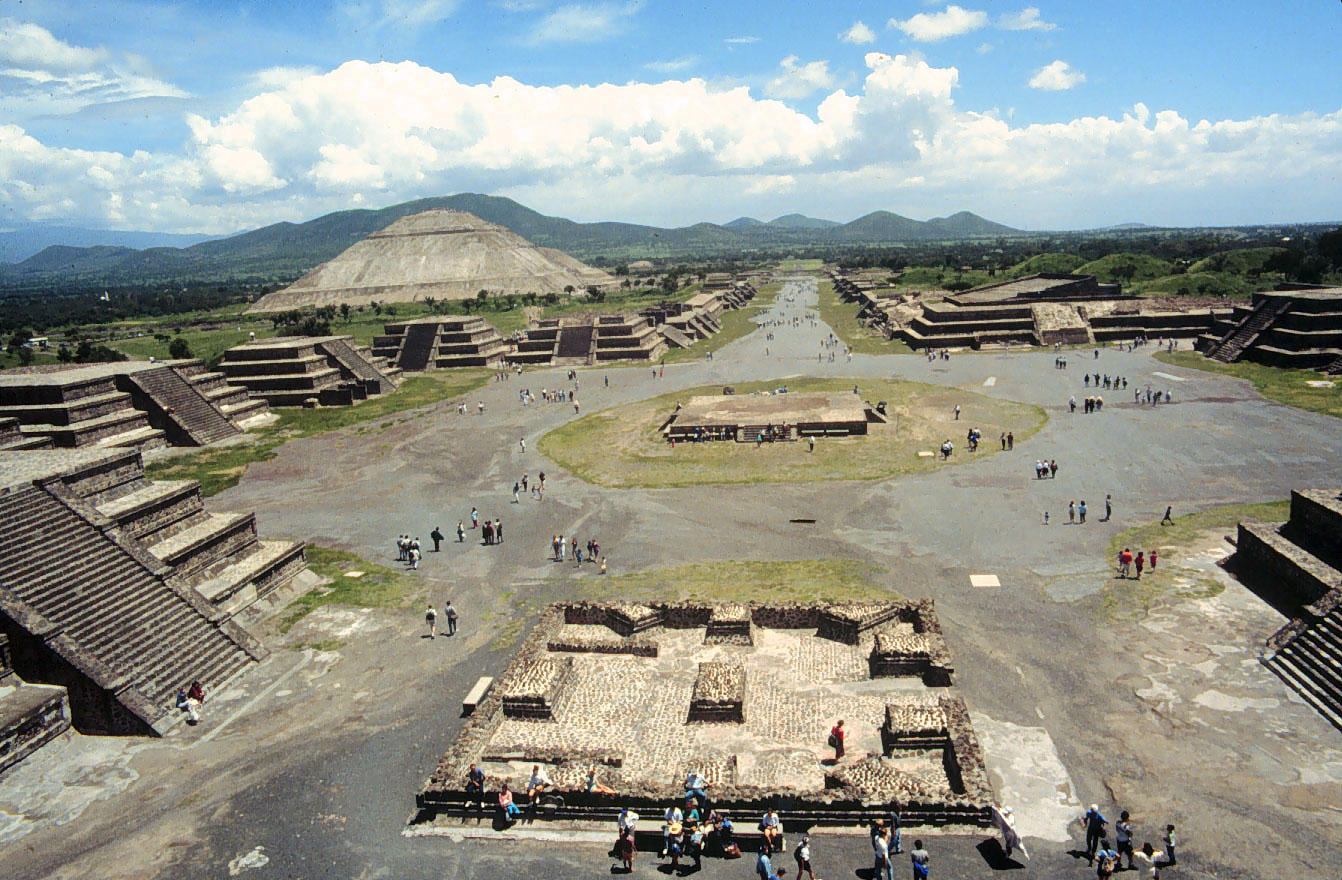
Teotihuacan, the city of the gods.
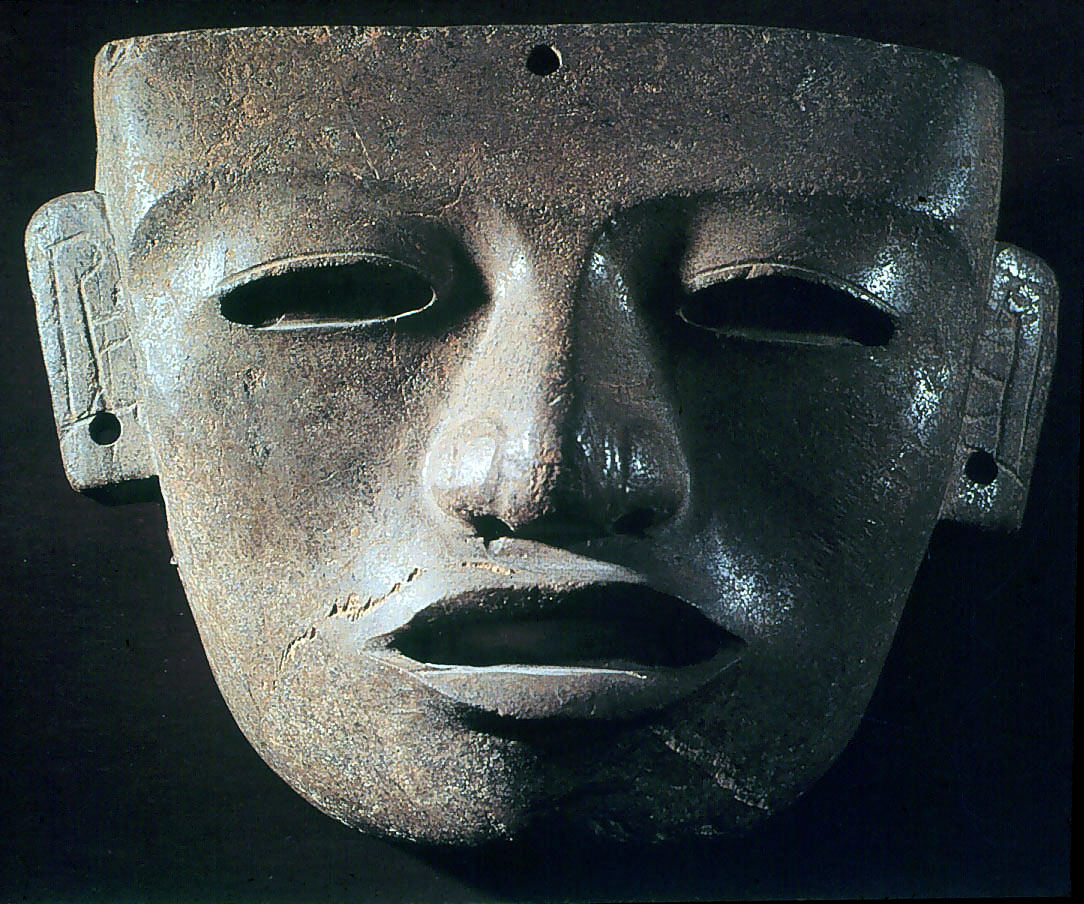
Teotihuacan mask.
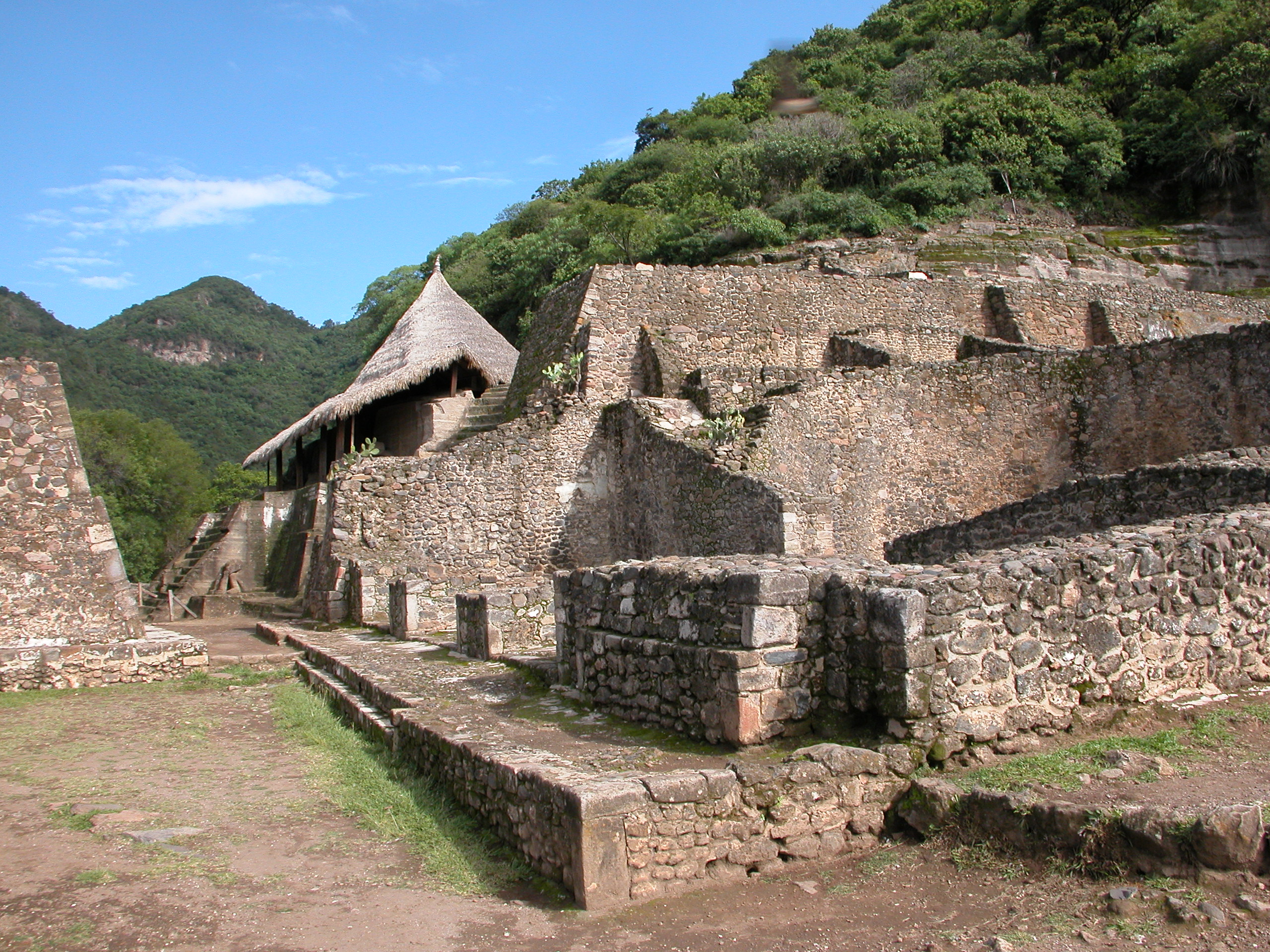
Malinalco, the eagle’s nest, an Aztec city.
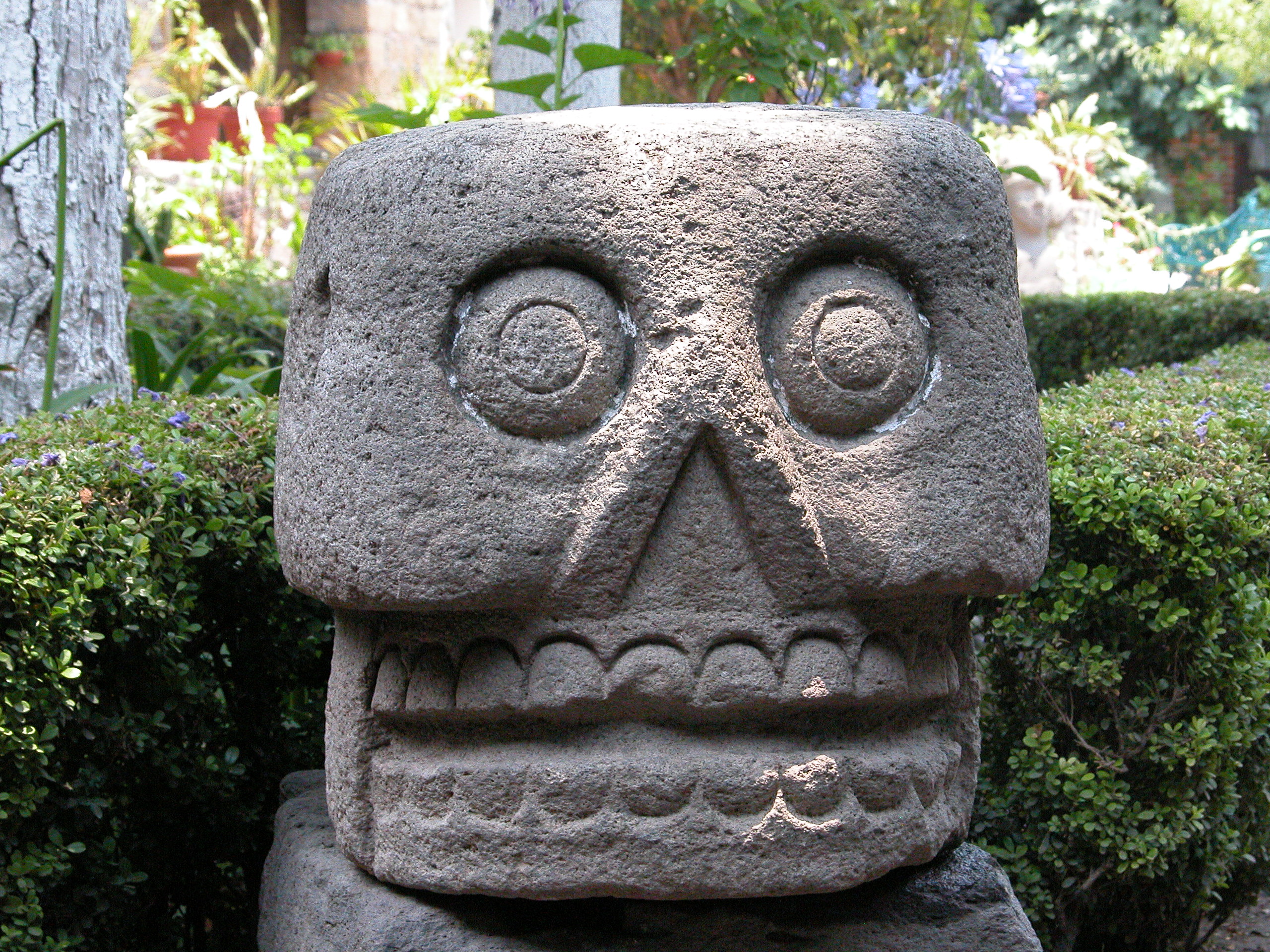
Aztec skull of Santa Maria Acatitla.
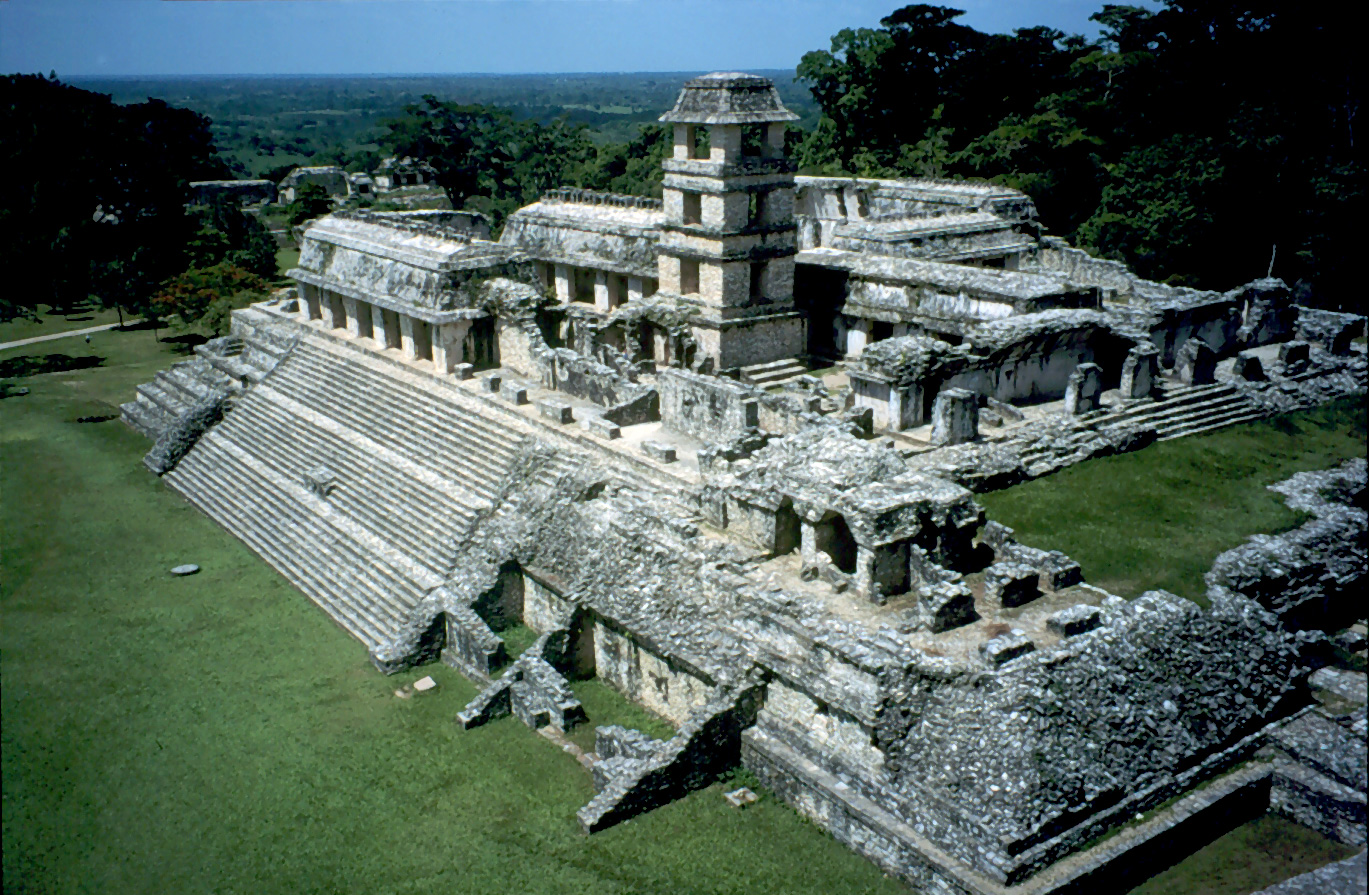
The palace of Palenque, a Maya city.
Working for California since 1947: The 175-acre hilltop campus of California State University, Los Angeles is at the heart of a major metropolitan city, just five miles from Los Angeles’ civic and cultural center. More than 20,000 students and 205,000 alumni—with a wide variety of interests, ages and backgrounds—reflect the city’s dynamic mix of populations. Six colleges offer nationally recognized science, arts, business, criminal justice, engineering, nursing, education and humanities programs, among others, led by an award-winning faculty. Cal State L.A. is home to the critically-acclaimed Luckman Jazz Orchestra and to a unique university center for gifted students as young as 12. Programs that provide exciting enrichment opportunities to students and community include an NEH- and Rockefeller-supported humanities center; a NASA-funded center for space research; and a growing forensic science program, housed in the Hertzberg-Davis Forensic Science Center. www.calstatela.edu